Kerala’s First Biodegradable Airway Stenting: A New Chapter in Breathing Freely
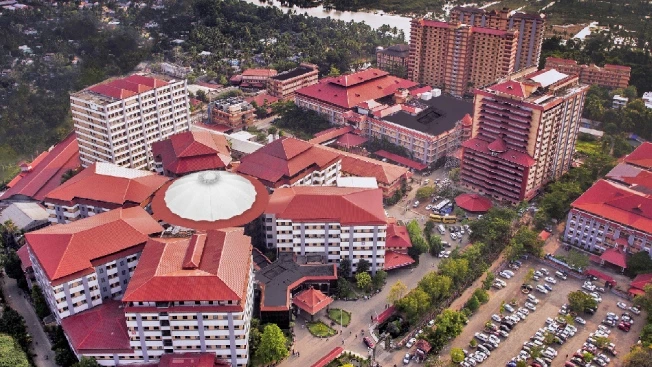
For two young women struggling to breathe, every day was a quiet battle. Years after recovering from tuberculosis, a hidden consequence had taken hold, narrowing their airways and making even the simplest acts of breathing an effort. That changed at Amrita Hospital, Kochi. In a landmark moment for respiratory care in Kerala, Amrita Hospital has successfully performed the state’s first-ever Biodegradable Airway Stenting procedure, making it not only the first centre in Kerala, but the third in all of India to offer this advanced treatment. What Made This Procedure So Special The procedure treated a condition called post-tuberculosis bronchial stenosis, a narrowing of the airways that can develop long after TB has been treated. Left unaddressed, it causes chronic breathlessness, persistent cough, and a significant drop in quality of life. What sets this treatment apart is the nature of the stents used. Unlike conventional stents that remain in the body permanently, these are biodegradable, meaning they dissolve naturally once the airway has healed, eliminating the need for additional surgeries down the line. It’s a gentler, smarter solution for patients who have already been through so much. The bronchoscopic procedure lasted eight hours and was performed with precision by a dedicated team from Amrita’s Division of Interventional Pulmonology and Complex Airway Disorders. Both patients came out of the procedure breathing normally, a result that would have seemed out of reach just months before. The Team Behind the Milestone The procedure was led by Dr. Tinku Joseph, Head of Interventional Pulmonology at Amrita Hospital, Kochi, alongside Dr. Don Jose and Dr. Sreeraj Nair. Dr. Joseph noted that this achievement was made possible through the seamless coordination of expert hands and cutting-edge technology, a combination Amrita has long been committed to. “Biodegradable airway stenting is highly effective for post-TB airway narrowing, chronic cough, phlegm accumulation, breathlessness, and similar obstructions,” Dr. Joseph shared. “Our goal is always to give patients the most effective, least invasive path back to their normal lives.” What This Means for Patients This milestone opens a door for patients across Kerala and the wider region who are living with airway complications following TB, a disease that remains prevalent in South Asia. With Amrita now offering this procedure, patients no longer need to travel far or go without an option that truly addresses the root of their condition. At Amrita, every breath counts.
Asia’s First Robotic-Assisted DBS Surgery for Parkinson’s Disease: How Amrita Hospitals Is Changing Lives
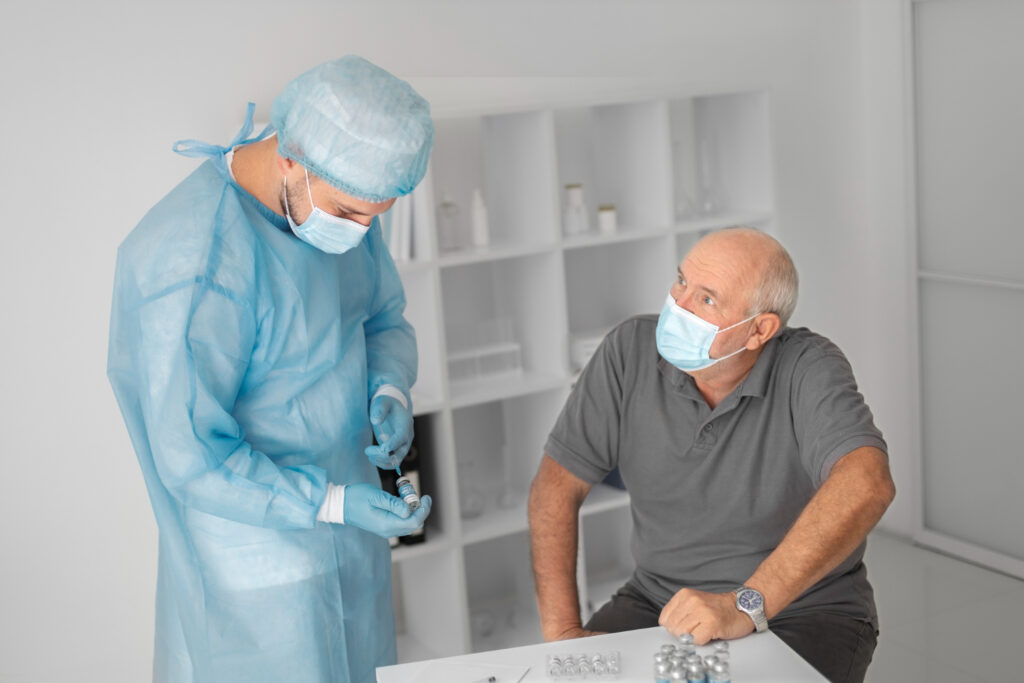
Introduction For most people living with Parkinson’s disease, the tremors, rigidity, and loss of motor control that define the condition are managed – sometimes effectively, sometimes not – through medication. For a significant proportion of patients, however, medication eventually stops providing adequate relief. It is at this point that surgical intervention becomes a consideration. In 2017, Amrita Hospitals in Kochi made history by performing Asia’s first robotic DBS surgery for Parkinson’s disease in India, using the ROSA robotic system to implant a deep brain stimulation device with a level of precision that had not previously been achieved through manual surgical techniques alone. This article explains what that procedure involved, why it represented a genuine clinical advance, and what it means for Sri Lankan patients who are living with Parkinson’s disease and exploring their treatment options. A Landmark Moment in Asian Neurosurgery The patient was a 45-year-old auto-rickshaw driver from Kerala’s Guruvayur district. Zubair had been living with Parkinson’s disease since his mid-thirties. The tremors had become severe enough that he could no longer complete a single trip without shaking uncontrollably – often having to pull over, ask passengers to disembark, take his medication by the roadside, and wait for the effects to settle before attempting another fare. He was the only earning member of his family. The progression of his condition was not only a medical problem – it was threatening his family’s livelihood entirely. When Zubair’s wife brought him to Amrita Hospitals’ Movement Disorder Clinic, the team identified him as a candidate for Deep Brain Stimulation. What followed was not only a life-changing procedure for Zubair – it became a milestone in Asian neurosurgery. The DBS implantation performed at Amrita Hospitals was the first in Asia to use the ROSA robotic system, a technology that enables surgical precision not achievable by the human hand alone. Following the procedure, Zubair’s Parkinson’s symptoms disappeared. He returned to driving. He described being able to watch a film with his family for the first time in years, without the disturbance of uncontrolled tremors. Recognising the financial situation of the patient, Amrita Hospitals conducted the surgery free of charge. What Is Deep Brain Stimulation? Deep brain stimulation (DBS) is a neurosurgical procedure involving the implantation of a small device – sometimes referred to as a brain pacemaker – that delivers continuous electrical impulses to specific, precisely targeted areas deep within the brain. DBS was first introduced in the United States in 1987. Since then, it has become one of the most well-evidenced surgical treatments in neurology, with an established safety and efficacy record across thousands of patients globally. The electrical impulses delivered by the DBS device modulate the abnormal neural activity that causes the motor symptoms of Parkinson’s disease – particularly tremor, rigidity, and the unpredictable on-off fluctuations that develop in patients on long-term medication. The device does not cure Parkinson’s disease or halt its neurological progression. What it does is provide meaningful, sustained symptom control – in appropriately selected patients – that medication alone can no longer achieve. DBS has also demonstrated benefit in a range of other neurological and psychiatric conditions, including epilepsy, essential tremor, obsessive-compulsive disorder, and chronic pain. For Parkinson’s disease, it remains the most widely used and best-evidenced surgical intervention. What Made This Procedure a First in Asia? DBS itself was not new when Amrita Hospitals performed this procedure. What was new – and what made this a genuine first across Asia – was the use of the ROSA robotic system to guide the implantation. In conventional DBS surgery, electrode placement relies on a combination of pre-operative imaging, a stereotactic frame fixed to the patient’s head, and the surgeon’s manual judgment during the procedure. While experienced neurosurgeons achieve very good outcomes with this approach, the degree of precision is inherently limited by the physical constraints of human hand movement. The ROSA system – Robotic Stereotactic Assistance – operates as what the surgical team described as a GPS system for the skull. It processes pre-operative MRI and CT imaging data to plan the precise trajectory and target coordinates for electrode placement, then guides the surgical instruments along that planned path with a level of accuracy that manual techniques alone cannot consistently replicate. This matters clinically because the targets for DBS electrode placement – most commonly the subthalamic nucleus, a structure roughly the size of a small almond located deep within the brain – are extremely small. A deviation of even a few millimetres can affect both the efficacy of stimulation and the risk of complications. By using the ROSA system, Amrita Hospitals brought a new standard of precision to DBS implantation – and did so in Asia for the first time. What Is the ROSA Robotic System and Why Does It Matter? The ROSA system is a robotic platform specifically designed for minimally invasive neurosurgery. It combines advanced imaging integration, robotic arm guidance, and real-time intraoperative feedback to assist neurosurgeons in performing procedures on the brain and spine with exceptional accuracy. For DBS implantation, ROSA offers several specific advantages: Amrita Hospitals is not only Asia’s first institution to have used ROSA for DBS implantation – it is also Asia Pacific’s pioneer in ROSA robotic-assisted neurosurgery more broadly, reflecting a sustained institutional commitment to advancing neurosurgical precision through robotic technology. Who Is DBS Surgery Suitable For? Robotic DBS surgery for Parkinson’s disease in India is appropriate for a carefully selected group of patients. General eligibility criteria include: DBS is not reserved exclusively for end-stage disease. Some patients benefit from earlier intervention, before the cumulative effects of long-term medication and disease progression have caused additional complications. What Does the DBS Procedure Involve? The DBS procedure at Amrita Hospitals using the ROSA system follows a structured two-stage process: Stage 1 – Awake Electrode Placement In the first stage, the patient remains awake during the critical phase of electrode insertion. This is not as alarming as it sounds – the brain itself has no pain receptors, and the patient is kept comfortable throughout.
Congenital Heart Disease Treatment in India: Options for Children and Adults
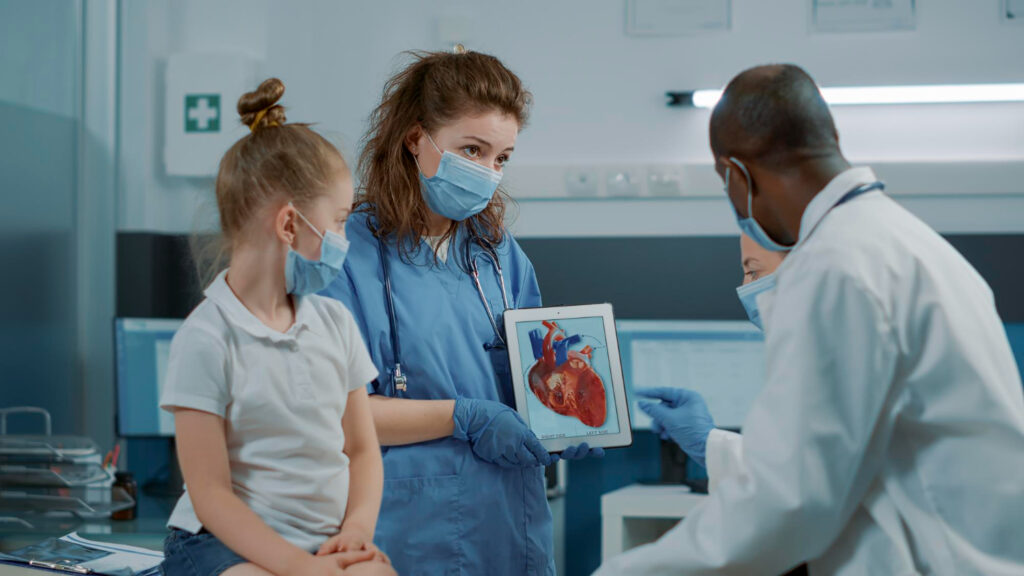
Introduction Congenital heart disease refers to structural abnormalities of the heart that are present from birth. It is the most common type of birth defect globally, affecting approximately 1 in 100 newborns. Some forms are detected during pregnancy or shortly after birth, while others are not identified until childhood or even adulthood. Congenital heart disease treatment in India has advanced significantly over the past two decades, with specialist centres now capable of managing the full spectrum of congenital cardiac conditions – from straightforward defects repaired with a single procedure to complex, multi-staged surgeries for the most severe forms of the disease. This guide explains the main types of congenital heart disease, the treatment options available, and how Sri Lankan patients – both children and adults – can access specialist care at Amrita Hospitals. What Is Congenital Heart Disease? Congenital heart disease (CHD) encompasses a wide range of structural heart abnormalities that develop during foetal development. These may involve: The severity of CHD varies enormously. Some defects are minor and may close on their own or require no treatment. Others are complex and require surgery in the newborn period to sustain life. Many fall between these extremes – causing symptoms and affecting cardiac function, but amenable to planned surgical or catheter-based repair. What Are the Most Common Types of Congenital Heart Disease? Simple Defects Complex Defects How Is Congenital Heart Disease Diagnosed? In Infants and Children In Adults with Previously Undiagnosed or Previously Treated CHD Adults may present with symptoms including breathlessness, reduced exercise tolerance, palpitations, or incidentally detected abnormalities on routine examination. Full cardiac evaluation including echocardiography, ECG, and often cardiac MRI is performed. What Treatment Options Are Available? Catheter-Based (Interventional) Procedures Many congenital heart defects can now be closed or repaired without open surgery, using catheter-based techniques: These catheter-based procedures avoid the need for open-heart surgery in many patients, resulting in shorter hospital stays and faster recovery. Surgical Repair Open surgery remains necessary for complex defects and for situations where catheter-based approaches are not feasible: Amrita Hospitals’ Specific Capabilities Amrita Hospitals has a dedicated Adult Congenital Heart Disease Clinic – the first of its kind in India – reflecting the growing recognition that CHD is a lifelong condition requiring specialist management well beyond childhood. The hospital also operates a Comprehensive Fetal Cardiac Centre for assessment and planning from the prenatal stage. Congenital Heart Disease in Adults: What Sri Lankan Patients Should Know Advances in paediatric cardiac surgery mean that the majority of children born with congenital heart disease now survive to adulthood. Many of these adults require ongoing specialist cardiac follow-up – not because their condition has returned, but because repaired congenital hearts often develop new challenges over time. Adults with CHD may experience: Sri Lankan adults who were treated for a congenital heart condition in childhood and have not had recent cardiac review are encouraged to seek a formal evaluation. Additionally, adults who were never diagnosed with CHD but experience unexplained breathlessness, palpitations, or reduced exercise capacity should have this investigated – some defects such as ASD are commonly diagnosed for the first time in adulthood. For patients considering cardiac care abroad, our article on heart surgery in India for Sri Lankan patients provides a broader overview of cardiac surgical capabilities at Amrita Hospitals. What Is Recovery Like After Congenital Heart Surgery? Recovery depends on the type of procedure and the patient’s age and overall condition: After Catheter-Based Procedures After Open Heart Surgery in Children After Open Heart Surgery in Adults For Sri Lankan families staying in India during a child’s surgical admission, patient support services for families travelling to India are available through Amrita Info Centre Sri Lanka to assist with accommodation and logistics. Why Do Sri Lankan Patients Choose India for Congenital Heart Care? You can also explore the broader range of cardiac care options available at Amrita Hospitals through our article on hospitals in India specialising in heart treatment. How Do Sri Lankan Patients Access Congenital Heart Disease Treatment in India? For a complete guide to the visa process, refer to our article on travelling to India for medical treatment from Sri Lanka – the Complete Guide to Medical Visa for India from Sri Lanka covers every step. To begin, get in touch with our team in Colombo and share your reports. We will respond with a clear outline of the options and next steps available to you. Frequently Asked Questions Can a congenital heart defect be left untreated if it causes no symptoms? Some minor defects – such as small VSDs or small ASDs – may not require treatment and can be monitored. However, even asymptomatic defects should be formally evaluated by a cardiologist, as some can cause long-term complications including arrhythmias, pulmonary hypertension, or increased stroke risk if left unaddressed. Is it safe for a woman with congenital heart disease to become pregnant? This depends on the type and severity of the defect, and whether it has been repaired. Many women with CHD can have safe pregnancies with appropriate specialist monitoring. Some conditions carry significant pregnancy risk and require pre-conception counselling. A formal assessment with a specialist in adult congenital heart disease is essential before planning pregnancy. At what age is it best to repair a congenital heart defect? The optimal timing varies by defect type. Some conditions require repair in the newborn period to be life-sustaining. Others are repaired electively in infancy or early childhood. Some defects are best managed with a watch-and-wait approach and repaired only if they progress. The treating team will advise on the optimal timing for your child’s specific condition. Can adults be treated for previously undiagnosed congenital heart disease? Yes. Many congenital defects – including ASD, bicuspid aortic valve, and mild coarctation – are sometimes not diagnosed until adulthood. Treatment options including catheter-based closure or surgical repair are available for adults, and outcomes are generally good when the condition is identified and treated before complications develop. What long-term follow-up is needed after congenital heart repair? All
Paediatric Orthopaedics in India: Treating Childhood Bone and Joint Conditions
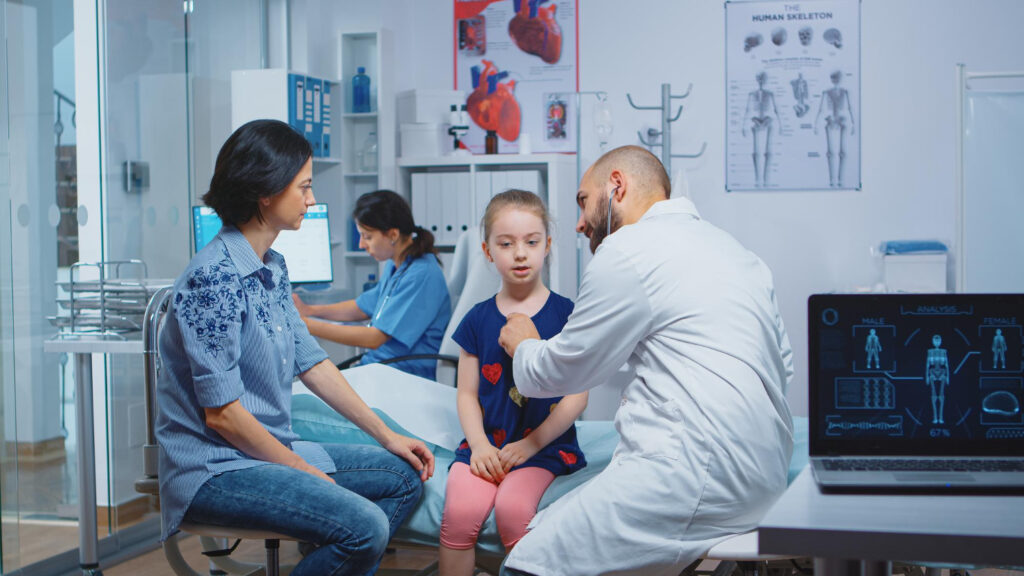
Introduction Bone and joint conditions in children are fundamentally different from those in adults. A child’s skeleton is still growing, which means that conditions present differently, progress differently, and require treatment approaches specifically designed for the developing musculoskeletal system. For Sri Lankan families seeking specialist care for a child with a bone or joint condition, paediatric orthopaedics in India offers access to dedicated children’s orthopaedic teams with experience across the full range of congenital, developmental, traumatic, and neuromuscular conditions affecting the growing skeleton. This guide explains what paediatric orthopaedics covers, which conditions are treated, what the treatment process involves, and how families can access care at Amrita Hospitals. What Is Paediatric Orthopaedics? Paediatric orthopaedics is the subspeciality of orthopaedic surgery dedicated to the diagnosis and treatment of bone, joint, muscle, and connective tissue conditions in children and adolescents from birth through to skeletal maturity. Paediatric orthopaedic surgeons are trained specifically in the management of the growing skeleton. They understand the unique challenges of treating children – including the potential impact of treatment on growth plates, the different biomechanics of a child’s bones compared to an adult’s, and the psychological and developmental considerations involved in managing a child through surgery and rehabilitation. What Conditions Are Treated Under Paediatric Orthopaedics? Paediatric orthopaedics in India at a specialist centre covers a broad range of conditions: Congenital Conditions (Present from Birth) Developmental Conditions (Emerging During Childhood) Neuromuscular Conditions Traumatic Conditions Bone Tumours and Infections How Are Childhood Bone and Joint Conditions Diagnosed? Diagnosis in paediatric orthopaedics typically involves: Sri Lankan families who have existing reports, X-rays, or specialist letters from Sri Lanka can share these with Amrita Info Centre Sri Lanka for initial review before travelling. What Treatments Are Available for Children? Treatment approaches in paediatric orthopaedics in India range from non-surgical to surgical, depending on the condition and its severity: Non-Surgical Treatment Surgical Treatment When Is Surgery Required for a Child? Surgery is not always the first recommendation. The decision to operate is made carefully, taking into account: For conditions such as severe clubfoot, significant scoliosis, Perthes disease, or SCFE, surgery is commonly required and the evidence for surgical intervention is well established. For others, careful monitoring and non-surgical management may be appropriate for years before a surgical decision is needed. What Is Recovery Like for Children After Orthopaedic Surgery? Recovery varies significantly depending on the procedure: Children are remarkably resilient in recovery, and with appropriate physiotherapy and family support, most make excellent functional progress after orthopaedic surgery. For families staying in India during a child’s surgical admission and recovery period, accommodation support for families travelling to India for medical care is available through Amrita Info Centre Sri Lanka. Why Do Sri Lankan Families Choose India for Paediatric Orthopaedic Care? You can read more about the wider surgical capabilities available in India in our article on medical treatment in India for Sri Lankan patients, which covers the range of surgical specialities at Amrita Hospitals. How Do Sri Lankan Families Access Paediatric Orthopaedic Care in India? For visa guidance including information on travelling with a child, our article on the Complete Guide to Medical Visa for India from Sri Lanka covers the documentation requirements in detail. To begin without obligation, ontact our team in Colombo and share your child’s reports. We will respond with clear guidance on next steps. Frequently Asked Questions At what age can a child undergo orthopaedic surgery? Paediatric orthopaedic surgery is performed across all age groups, from newborns with congenital conditions to adolescents approaching skeletal maturity. The timing of surgery is carefully planned around the child’s age, growth stage, and the specific condition being treated. Will my child need general anaesthesia? Most orthopaedic procedures in children are performed under general anaesthesia. Paediatric anaesthetists at Amrita Hospitals are experienced in managing anaesthesia safely across all paediatric age groups, including infants. Can scoliosis be treated without surgery? Mild to moderate scoliosis in a growing child is often managed with bracing to prevent curve progression. Surgery is considered when the curve is severe, progressing rapidly, or has not responded to bracing. The decision depends on the curve magnitude, the child’s age, and remaining growth potential. How is clubfoot treated? The Ponseti method – a series of weekly plaster casts applied to gradually correct the foot position – is the internationally recommended first-line treatment for clubfoot in infants. Most cases are corrected non-surgically using this method. Minor surgical release of the Achilles tendon may be needed as part of the Ponseti protocol in many cases. Does my child need to stay in India for the entire treatment period? This depends on the condition and treatment. For a single surgical procedure, the required stay is typically 2 to 3 weeks. For serial casting programmes, families may need to attend multiple appointments over several weeks. The treatment team will provide a clear schedule before travel is arranged. Can the child attend follow-up consultations remotely after returning to Sri Lanka? Yes. Telemedicine follow-up with the treating paediatric orthopaedic team is available for many post-operative review appointments. Physical reviews requiring imaging or clinical examination will be scheduled as needed. Conclusion Paediatric orthopaedics in India offers Sri Lankan families access to dedicated children’s orthopaedic care – from non-surgical management of common developmental conditions to complex spinal and limb surgery – delivered by specialist teams with experience in the unique demands of treating the growing skeleton. For families concerned about a bone or joint condition in their child, the first step is a clinical assessment based on existing reports. That process can begin through Amrita Info Centre Sri Lanka, without travel and without obligation.
Hip Replacement in India: Robotic-Assisted Surgery and What to Expect
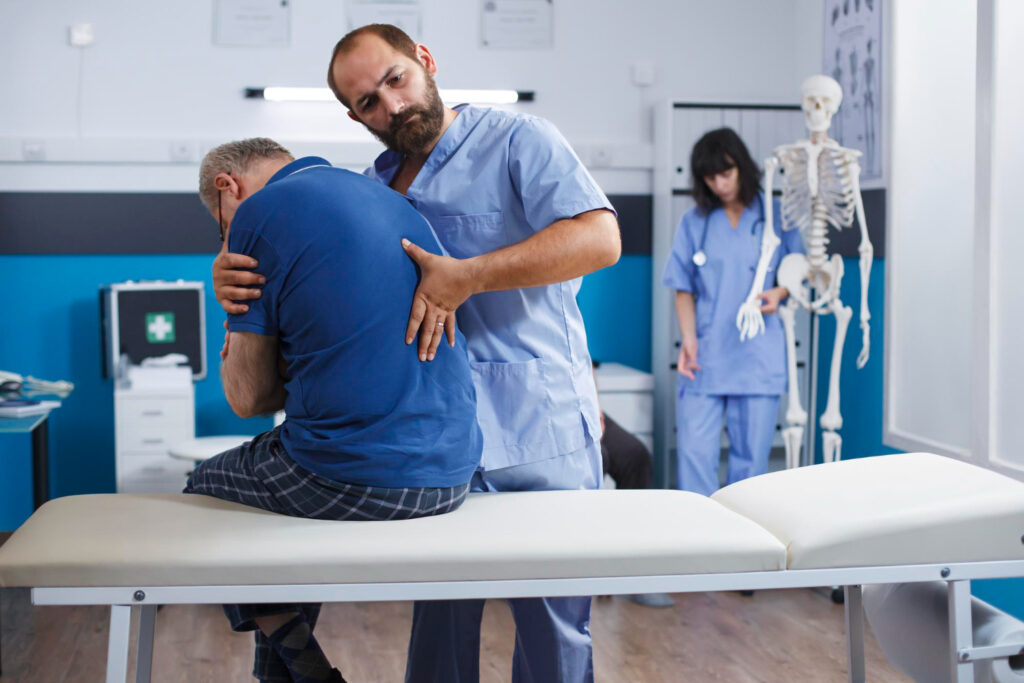
Introduction Hip pain caused by arthritis or joint damage can be deeply limiting, affecting a person’s ability to walk, sleep comfortably, and maintain independence. When non-surgical treatment no longer provides adequate relief, hip replacement surgery in India offers Sri Lankan patients access to experienced orthopaedic teams and advanced robotic-assisted surgical techniques that improve implant precision and support faster recovery. This guide explains what hip replacement involves, who is suitable, what recovery looks like, and how to access care at Amrita Hospitals. What Is Hip Replacement Surgery? Hip replacement surgery – also called hip arthroplasty – involves removing the damaged bone and cartilage of the hip joint and replacing it with an artificial implant. The hip is a ball-and-socket joint: the rounded head of the femur (thigh bone) fits into the acetabulum (the socket in the pelvis). In hip replacement, both the ball and the socket are replaced with precisely sized implant components. The goal of surgery is to relieve pain, restore mobility, and allow the patient to return to daily activities without the limitations imposed by a damaged joint. Hip replacement is one of the most successful elective surgical procedures in medicine, with high patient satisfaction rates and well-documented long-term outcomes. When Is Hip Replacement Recommended? Hip replacement surgery in India is typically considered when: Conditions commonly leading to hip replacement include: What Types of Hip Replacement Are Performed? Total Hip Replacement (THR) The most commonly performed type. Both the femoral head and the acetabular socket are replaced. A metal stem is fixed into the femur, topped with a ball component. A metal or ceramic cup is fixed into the acetabulum, lined with a smooth plastic or ceramic liner. The ball moves within the cup, replicating natural hip movement. Partial Hip Replacement (Hemiarthroplasty) Only the femoral head is replaced, leaving the natural acetabulum in place. This approach is commonly used in older patients with hip fractures, where the socket is undamaged. Hip Resurfacing The femoral head is not removed but reshaped and capped with a metal component, while the socket is replaced. This is an option for younger, active patients with good bone quality, as it preserves more of the femoral bone. However, it requires careful patient selection and is not appropriate in all cases. Revision Hip Replacement Replacement of a previously implanted hip prosthesis that has failed due to wear, loosening, dislocation, or infection. This is a more complex procedure than primary hip replacement. How Is Robotic-Assisted Hip Replacement Performed? Amrita Hospitals performs robotic-assisted hip replacement using advanced surgical systems that guide the precise positioning of implant components. Accurate implant placement is critical in hip replacement. Incorrect positioning of the acetabular cup – even by a few degrees – can increase the risk of dislocation, accelerated wear, and long-term implant failure. Robotic assistance addresses this directly: The benefits for patients include more consistent implant positioning, reduced risk of dislocation, and improved long-term implant performance. Amrita Hospitals performed India’s first robotic-assisted hip replacement, reflecting the depth of experience in this technique. What Is Recovery Like After Hip Replacement? Recovery from hip replacement surgery in India follows a progressive rehabilitation pathway: Immediately After Surgery Hospital Stay Return to Sri Lanka Medium-Term Recovery Long-Term Support with accommodation and logistics during the recovery period in India is available through medical travel assistance for Sri Lankan patients at Amrita Info Centre Sri Lanka. What Are the Risks of Hip Replacement Surgery? Risks associated with hip replacement include: Why Do Sri Lankan Patients Choose India for Hip Replacement? You can also read about other minimally invasive surgical options available in India in our article on hospitals in India for Sri Lankan patients, which outlines the full range of orthopaedic and surgical care at Amrita Hospitals. How Do Sri Lankan Patients Access Hip Replacement Surgery in India? For full guidance on the visa process, refer to our article on medical travel to India from Sri Lanka – the Complete Guide to Medical Visa for India from Sri Lanka covers every step in detail. To begin the process, reach out to our team through the contact page with your reports and we will respond with clear next steps. Frequently Asked Questions How long do hip implants last? Modern hip implants are designed to last 20 years or more in the majority of patients. Longevity depends on the patient’s activity level, body weight, implant type, and the accuracy of surgical positioning – the last of which is significantly improved by robotic-assisted surgery. Is there an age limit for hip replacement surgery? There is no strict upper or lower age limit. Hip replacement is performed across a wide age range, from younger patients with avascular necrosis or post-traumatic arthritis to elderly patients with osteoarthritis or hip fractures. Fitness for anaesthesia and surgery is assessed individually. What hip precautions do I need to follow after surgery? In the early post-operative period, certain movements that risk dislocating the new hip are avoided – these typically include bending the hip beyond 90 degrees, crossing the legs, and rotating the foot inward. Your physiotherapist will explain these precautions clearly before discharge. Can I fly back to Sri Lanka after hip replacement surgery? Yes, but timing is important. Most patients travel approximately 10 to 14 days after surgery. Long-haul travel requires DVT prevention measures including compression stockings, staying well hydrated, and performing ankle exercises during the flight. Will I need physiotherapy after returning to Sri Lanka? Yes. Continuing physiotherapy for at least 3 months after surgery is strongly recommended. A home exercise programme is provided before you leave India, and continuing with a local physiotherapist in Sri Lanka supports optimal recovery. What is the difference between hip resurfacing and total hip replacement? In hip resurfacing, the femoral head is preserved and capped with a metal component, while the socket is replaced. In total hip replacement, the femoral head is removed entirely. Resurfacing preserves more bone and may be preferred in younger, active patients, but requires good bone quality and careful patient selection. Conclusion
Knee Replacement Surgery in India: Costs, Recovery, and Why Sri Lankans Choose Amrita
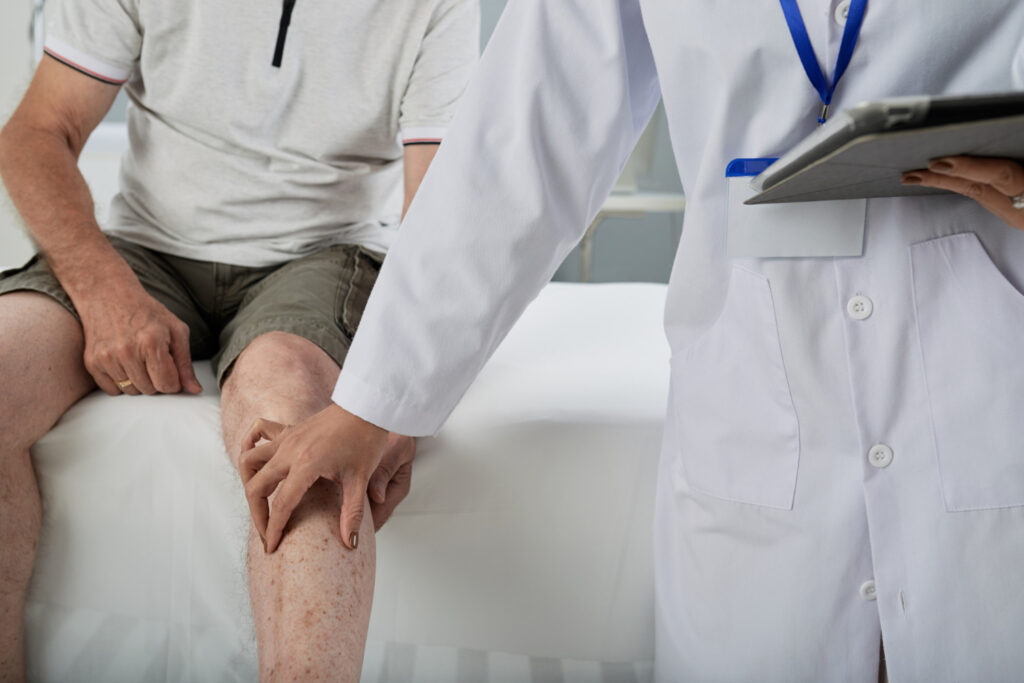
Introduction Knee pain caused by advanced arthritis or joint degeneration can significantly limit a person’s ability to walk, climb stairs, or carry out basic daily activities. When conservative treatments such as physiotherapy, medication, and injections no longer provide adequate relief, knee replacement surgery in India has become a well-established and accessible option for Sri Lankan patients seeking to restore mobility and improve quality of life. This guide explains the types of knee replacement available, what the surgical process involves, what recovery looks like, and how Sri Lankan patients can access this care at Amrita Hospitals. What Is Knee Replacement Surgery? Knee replacement surgery – also called knee arthroplasty – is a procedure in which the damaged surfaces of the knee joint are removed and replaced with artificial implant components made from metal alloys and medical-grade plastic. These components replicate the natural movement of the knee, reducing pain and restoring function. The knee joint consists of three compartments: the medial (inner), lateral (outer), and patellofemoral (front, between the kneecap and thigh bone). Depending on which compartments are affected, either a partial or total knee replacement may be recommended. Knee replacement is one of the most commonly performed orthopaedic procedures globally, with well-established long-term outcomes and implant durability data spanning decades. When Is Knee Replacement Surgery Recommended? Knee replacement surgery in India is typically recommended when: Common underlying conditions leading to knee replacement include: Age alone is not the primary criterion. Knee replacement is performed across a wide age range, from patients in their forties with severe post-traumatic arthritis to elderly patients with advanced osteoarthritis. What Types of Knee Replacement Are Available? Total Knee Replacement (TKR) The most commonly performed type. All three compartments of the knee joint are resurfaced. The damaged bone and cartilage from the end of the femur (thigh bone) and tibia (shin bone) are removed, and metal implant components are fixed in their place. A medical-grade plastic spacer is inserted between the metal components to allow smooth movement. The undersurface of the kneecap may also be resurfaced. Partial Knee Replacement (Unicompartmental Knee Replacement) When only one compartment of the knee is damaged – most commonly the medial compartment – a partial replacement may be appropriate. Only the affected compartment is resurfaced, preserving the healthy bone and ligaments in the other compartments. This approach results in a more natural feeling knee movement and a faster recovery, but is suitable only for carefully selected patients. Revision Knee Replacement A procedure to replace a previously implanted knee replacement that has failed due to wear, loosening, infection, or instability. Revision surgery is more complex than primary knee replacement and requires specialist orthopaedic expertise. How Is Robotic-Assisted Knee Replacement Performed? Amrita Hospitals performs robotic-assisted knee replacement using advanced robotic surgical systems that enhance the precision of implant placement and bone preparation. In conventional knee replacement, the surgeon relies on manual alignment guides and their own judgment to position implants. In robotic-assisted surgery: The benefits of robotic-assisted knee replacement include: Amrita Hospitals has been a pioneer in robotic-assisted orthopaedic surgery in India, with India’s first robotic-assisted knee replacement performed at this institution. What Is Recovery Like After Knee Replacement Surgery? Recovery from knee replacement surgery in India follows a structured rehabilitation pathway: Immediately After Surgery Hospital Stay Return to Sri Lanka Medium-Term Recovery Long-Term For Sri Lankan patients planning their stay in India around surgery and the initial recovery period, accommodation and travel support for medical patients is available through Amrita Info Centre Sri Lanka. What Are the Risks of Knee Replacement Surgery? As with any major surgical procedure, knee replacement carries risks. These include: Your surgical team at Amrita Hospitals will discuss the specific risks relevant to your individual case during the pre-operative consultation. Why Do Sri Lankan Patients Choose India for Knee Replacement? You can read about the broader range of surgical options available in India, including minimally invasive techniques, in our article on Robotic Surgery in India: Cost, Benefits, and What Sri Lankan Patients Should Know. To understand the full scope of orthopaedic services, explore orthopaedic treatment options in India at Amrita Hospitals. How Do Sri Lankan Patients Access Knee Replacement Surgery in India? For a step-by-step overview of the visa process, our article on the Complete Guide to Medical Visa for India from Sri Lanka covers everything from documentation to collection. To begin without obligation, contact our team in Colombo and share your reports. We will guide you through the next steps clearly. Frequently Asked Questions How do I know if I need a total or partial knee replacement? This is determined by the extent of damage across the three compartments of the knee, assessed through clinical examination and imaging. Your orthopaedic surgeon will review your X-rays and MRI scans and advise on the most appropriate procedure for your specific anatomy and degree of arthritis. Is robotic-assisted knee replacement suitable for everyone? Robotic-assisted surgery is suitable for the majority of patients undergoing knee replacement. In some cases – such as patients with significant prior knee surgery or unusual anatomy – the surgical team may advise a different approach. Suitability is assessed during the pre-operative evaluation. Can both knees be replaced at the same time? Simultaneous bilateral knee replacement (replacing both knees in one procedure) is performed in selected cases. The decision depends on the patient’s overall health, cardiac and respiratory fitness, and the surgeon’s assessment of risk. Many patients prefer staged surgery – replacing one knee first and the second a few months later. Will the implant set off metal detectors at airports? Modern knee implants may trigger airport security metal detectors. Patients are typically provided with a medical card or letter confirming they have a knee implant, which can be shown to security staff. How long before I can return to Sri Lanka after surgery? Most patients travel back to Sri Lanka approximately 10 to 14 days after surgery, once the wound is healing well and they are mobile with a walking aid. Long-haul travel requires careful planning
Stroke Treatment and Rehabilitation in India: What Sri Lankan Patients Should Expect
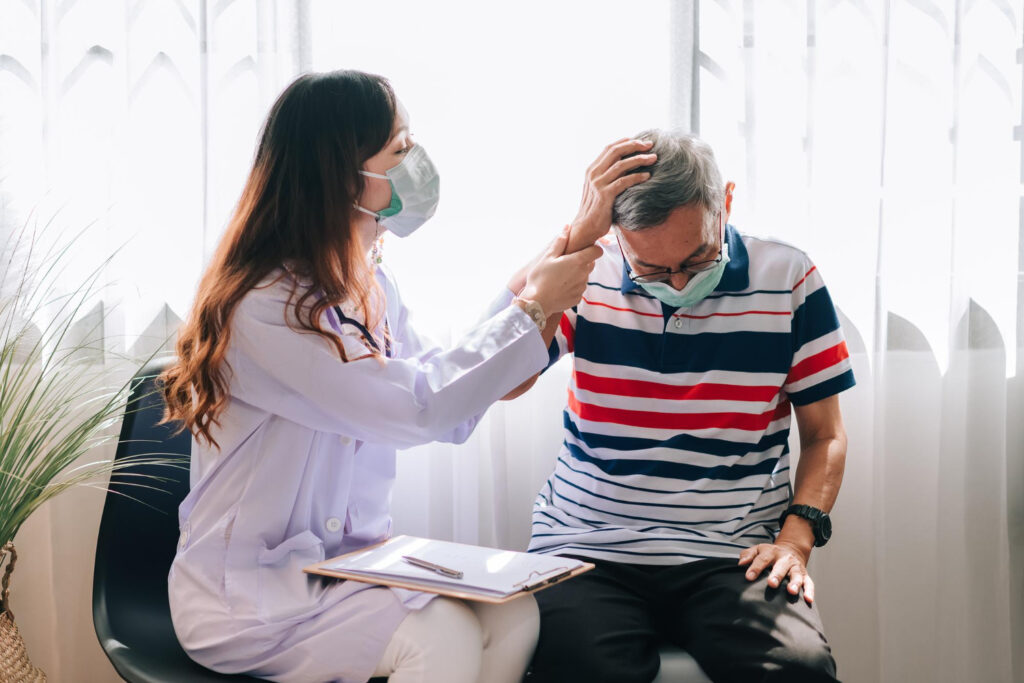
Introduction A stroke occurs when the blood supply to part of the brain is suddenly interrupted, either by a blockage or by bleeding. Brain cells begin to die within minutes of losing their blood supply, making stroke a medical emergency that requires immediate intervention. For Sri Lankan patients who have experienced a stroke and require specialist rehabilitation, or who need further neurological evaluation and management, stroke treatment and rehabilitation in India offers access to dedicated stroke units, experienced neurologists, and structured rehabilitation programmes that can significantly improve recovery outcomes. This guide explains what happens during and after a stroke, what treatment and rehabilitation involve, and how Sri Lankan patients can access this care. What Is a Stroke? A stroke occurs when blood flow to an area of the brain is cut off, depriving brain cells of oxygen and glucose. Affected brain cells begin to die rapidly – in some cases, up to 1.9 million neurons per minute during an acute ischaemic stroke. The consequences depend on which area of the brain is affected and how quickly blood flow is restored. Stroke can affect movement, speech, swallowing, vision, memory, cognition, and emotional regulation. Stroke is a leading cause of death and long-term disability globally, and its incidence in South Asia – including Sri Lanka – is significant and rising, partly driven by increasing rates of hypertension, diabetes, and cardiovascular disease. What Are the Types of Stroke? Ischaemic Stroke Accounts for approximately 85 percent of all strokes. Caused by a blockage in an artery supplying the brain – either a clot that forms locally (thrombotic stroke) or a clot that travels from elsewhere in the body and lodges in a brain artery (embolic stroke, often from the heart in patients with atrial fibrillation). Haemorrhagic Stroke Caused by bleeding within or around the brain: Transient Ischaemic Attack (TIA) Often called a mini-stroke – a temporary blockage that resolves within 24 hours (usually much sooner) without permanent brain damage. A TIA is a serious warning sign: the risk of a subsequent full stroke is high in the days following a TIA, and urgent investigation and treatment are required. What Are the Warning Signs of a Stroke? Recognising a stroke quickly is critical. The internationally recognised FAST acronym describes the most common warning signs: Additional symptoms include sudden severe headache (particularly in subarachnoid haemorrhage), sudden vision loss or double vision, sudden severe dizziness or loss of balance, and sudden confusion or loss of consciousness. How Is a Stroke Treated in the Acute Phase? Acute stroke treatment depends on the type of stroke: Ischaemic Stroke Haemorrhagic Stroke Acute stroke care is most effective when delivered in a dedicated stroke unit by a multidisciplinary team. The evidence consistently shows that patients treated in stroke units have better outcomes than those treated in general wards. What Complications Can Arise After a Stroke? Following the acute phase, patients may face a range of complications: Early rehabilitation and close medical monitoring reduce the impact of these complications. What Does Stroke Rehabilitation Involve? Stroke treatment and rehabilitation in India at a specialist centre follows an evidence-based multidisciplinary model. Rehabilitation begins as early as clinically appropriate – often within the first 24 to 48 hours after a stable acute condition is confirmed – as early mobilisation is associated with better outcomes. Physiotherapy Focuses on restoring movement, strength, balance, and coordination. Techniques include: Speech and Language Therapy Addresses: Occupational Therapy Focuses on restoring independence in activities of daily living, including dressing, bathing, cooking, and returning to work. Neuropsychological Rehabilitation Addresses cognitive impairments including memory, attention, executive function, and emotional regulation that may persist after stroke. Post-Stroke Depression Management Screening for depression is a standard component of stroke rehabilitation. Where identified, treatment with medication and psychological support is initiated. How Long Does Stroke Recovery Take? Recovery from stroke is highly variable and depends on the severity of the stroke, the area of the brain affected, the patient’s age and pre-existing health, and the quality and intensity of rehabilitation. General expectations: It is important for patients and families to understand that recovery is not linear and that setbacks are common. Consistent rehabilitation and management of risk factors – blood pressure, diabetes, cholesterol, atrial fibrillation – are essential to prevent recurrence. For patients returning to Sri Lanka after an initial rehabilitation period in India, Amrita Info Centre Sri Lanka coordinates ongoing follow-up and can assist in planning a continuation of rehabilitation locally. Details on the support available throughout the treatment journey are outlined on our patient services and travel assistance page]. Why Do Sri Lankan Patients Choose India for Stroke Care? For patients who also have underlying neurological conditions contributing to their stroke risk – such as atrial fibrillation or carotid artery disease – Amrita Hospitals provides comprehensive cardiovascular and neurological workup in one institution. You can read more about the neurosurgical capabilities at Amrita Hospitals in our article on Brain Tumour Treatment in India: Surgical and Radiation Options for Sri Lankan Patients, which outlines the neurosciences infrastructure in detail. To explore the full range of neurological and rehabilitation services, visit the neurosciences and rehabilitation specialities at Amrita Hospitals. How Do Sri Lankan Patients Access Stroke Treatment and Rehabilitation in India? For patients who have already experienced a stroke and are seeking specialist rehabilitation or further neurological evaluation: To begin, send us your medical records through our contact page and our team will respond with a clear outline of the options available. For visa guidance, our detailed article on the Complete Guide to Medical Visa for India from Sri Lanka covers every step of the documentation and application process. Frequently Asked Questions Can stroke rehabilitation help even if significant time has passed since the stroke? Yes. While the most rapid recovery typically occurs in the first few months, meaningful improvement through structured rehabilitation is possible even years after a stroke. The brain retains some capacity for neuroplasticity throughout life, and targeted rehabilitation can help patients regain or improve function at any stage. How long will
Parkinson’s Disease Treatment in India: DBS Surgery and Advanced Neurological Care
Introduction Parkinson’s disease is a progressive neurological condition that affects movement, balance, and coordination. It develops when the brain cells responsible for producing dopamine – a chemical essential for smooth, controlled movement – begin to deteriorate. For many patients, medication provides effective symptom control for years. But as the condition progresses, medication may become less effective or produce troublesome side effects. At this stage, Parkinson’s disease treatment in India through advanced interventions such as deep brain stimulation (DBS) surgery offers a meaningful option for carefully selected patients. This guide explains how Parkinson’s disease is managed, what DBS surgery involves, who is eligible, and how Sri Lankan patients can access specialist care. What Is Parkinson’s Disease? Parkinson’s disease is caused by the progressive loss of dopamine-producing neurons in a region of the brain called the substantia nigra. As dopamine levels fall, the brain’s ability to coordinate smooth, intentional movement is impaired. The condition typically presents with a characteristic group of motor symptoms: Non-motor symptoms are also common and include sleep disturbances, constipation, reduced sense of smell, depression, anxiety, cognitive changes, and autonomic dysfunction. Parkinson’s disease is progressive – symptoms worsen over time, though the rate of progression varies significantly between individuals. How Is Parkinson’s Disease Diagnosed? There is no single definitive test for Parkinson’s disease. Diagnosis is primarily clinical, based on the neurologist’s assessment of symptoms, their pattern, and the response to dopaminergic medication. Supporting investigations include: What Medications Are Used to Manage Parkinson’s Disease? Medication remains the foundation of Parkinson’s disease treatment in India and globally. The main medication classes used include: Over time, the effectiveness of medication may fluctuate, leading to periods of good symptom control (on periods) alternating with periods of poor control (off periods). This motor fluctuation is one of the key indicators that DBS surgery may be appropriate. What Is Deep Brain Stimulation (DBS)? Deep brain stimulation is a neurosurgical procedure in which thin electrodes are implanted into specific, precisely targeted areas of the brain. These electrodes are connected to a small pulse generator (similar to a cardiac pacemaker) implanted under the skin near the collarbone. The pulse generator delivers continuous, adjustable electrical impulses to the targeted brain circuits, modulating abnormal neural activity and improving motor symptoms. DBS does not cure Parkinson’s disease or halt its progression. It effectively manages symptoms – particularly tremor, rigidity, and motor fluctuations – and can significantly reduce the amount of medication required, thereby also reducing medication-related side effects such as dyskinesias. Amrita Hospitals holds the distinction of being Asia’s first institution to perform robotic-assisted DBS implantation for Parkinson’s disease, using the ROSA robotic system for enhanced precision in electrode placement. Who Is a Candidate for DBS Surgery? DBS surgery is appropriate for a carefully selected group of patients. General candidacy criteria include: DBS is generally considered when medication adjustments alone are no longer able to provide adequate symptom control. It is not reserved exclusively for advanced disease – some patients benefit from earlier intervention. How Is DBS Surgery Performed? DBS surgery at Amrita Hospitals is performed using the ROSA robotic system, which provides highly precise stereotactic guidance for electrode placement. Stage 1: Electrode Implantation Stage 2: Pulse Generator Implantation Programming What Are the Outcomes of DBS for Parkinson’s Disease? DBS is one of the most well-evidenced surgical interventions in neurology. Expected outcomes for appropriately selected patients include: DBS does not stop the underlying progression of Parkinson’s disease. As the condition progresses over years, stimulation parameters may need adjustment and medication may need to be increased again. However, many patients maintain meaningful benefit from DBS for 10 or more years following implantation. What Other Treatments Are Available for Parkinson’s Disease? Beyond medication and DBS, other treatment modalities include: Why Do Sri Lankan Patients Choose India for Parkinson’s Treatment? You can learn more about the broader range of neurological treatments available in our article on Brain Tumour Treatment in India: Surgical and Radiation Options for Sri Lankan Patients, which outlines the depth of neurosurgical expertise at Amrita Hospitals. To understand all available neurosciences services, explore the neurosciences and movement disorders specialities at Amrita Hospitals. How Do Sri Lankan Patients Access Parkinson’s Treatment in India? For patients managing the visa process, our guide on the Complete Guide to Medical Visa for India from Sri Lanka provides a detailed overview of documentation and application steps. To start the process, reach out to our team through the contact page and we will respond with clear guidance on next steps. Frequently Asked Questions Is DBS surgery reversible? Yes. One of the important features of DBS is that it is reversible and adjustable. The stimulator can be turned off, and the electrodes can be removed if necessary, unlike ablative procedures that permanently destroy brain tissue. Stimulation parameters can also be adjusted non-invasively over time. How long does DBS surgery take? The electrode implantation procedure typically takes 3 to 5 hours. The pulse generator implantation is a shorter procedure, usually taking 1 to 2 hours. Both stages may be performed on the same day or on separate days depending on the patient’s condition. How long will I need to stay in India for DBS surgery and follow-up? Most patients require a total stay of approximately 2 to 3 weeks in India, covering pre-operative assessment, surgery, initial recovery, and the first programming sessions. Further remote programming follow-up can be arranged for patients after they return to Sri Lanka. Does DBS work for all types of Parkinson’s disease? DBS is most effective for classic Parkinson’s disease with good levodopa response. It is generally not effective for atypical parkinsonian syndromes such as multiple system atrophy or progressive supranuclear palsy. Accurate diagnosis is essential before DBS is considered. Will I still need medication after DBS? Most patients continue to take Parkinson’s medication after DBS, but the doses required are often significantly reduced. The combination of DBS and reduced medication typically provides better symptom control than either approach alone. Can the DBS device be affected by other medical procedures? Certain medical procedures,
Epilepsy Surgery in India: When Medication Isn’t Enough, A Guide for Sri Lankans

Introduction Epilepsy is a neurological condition characterised by recurrent, unprovoked seizures caused by abnormal electrical activity in the brain. For most patients, epilepsy is managed effectively with anti-seizure medication. However, approximately one in three people with epilepsy continue to experience seizures despite trying multiple medications – a condition known as drug-resistant or refractory epilepsy. For these patients, epilepsy surgery in India may offer a genuine pathway to seizure freedom or significant seizure reduction. This guide explains who is eligible, what the surgical process involves, and how Sri Lankan patients can access this care. What Is Epilepsy and When Does It Require Surgery? Epilepsy is considered drug-resistant when seizures continue despite adequate trials of at least two appropriately chosen and well-tolerated anti-seizure medications. This definition, established by the International League Against Epilepsy (ILAE), is the standard clinical threshold used to evaluate surgical candidacy. Surgery is considered when: It is important to understand that epilepsy surgery in India is not a last resort – it is an evidence-based treatment option for appropriately selected patients, and outcomes are significantly better when surgery is considered earlier rather than after decades of uncontrolled seizures. Who Is a Candidate for Epilepsy Surgery? Not every patient with drug-resistant epilepsy is a surgical candidate. Suitability depends on: Children with certain epilepsy syndromes may also be candidates for surgery, and early surgical intervention in appropriate paediatric cases can have significant benefits for cognitive and developmental outcomes. What Evaluations Are Done Before Epilepsy Surgery? The pre-surgical evaluation for epilepsy surgery in India is comprehensive and typically involves: Phase 1 Evaluation (Non-Invasive) Phase 2 Evaluation (Invasive, If Required) When non-invasive tests do not clearly localise the seizure focus, or when the focus is near critical brain areas, invasive monitoring using electrodes placed directly on or within the brain may be required: Amrita Hospitals has performed India’s largest number of minimally invasive epilepsy surgeries, reflecting the depth of institutional experience in this subspeciality. What Types of Epilepsy Surgery Are Performed? Resective Surgery The most common form of epilepsy surgery. The area of brain tissue identified as the seizure focus is surgically removed. Disconnection Surgery Used when resection of the seizure focus is not possible or when seizures involve a large area of the brain: Neuromodulation When resective surgery is not appropriate, neuromodulation devices can reduce seizure frequency: What Are the Outcomes of Epilepsy Surgery? Outcomes vary by surgery type, seizure focus location, and the presence of an identifiable structural lesion. General evidence-based expectations: These are population-level estimates. Individual outcomes depend on the specific case and are discussed in detail during the pre-surgical evaluation process. What Is Recovery Like After Epilepsy Surgery? Immediately After Surgery Medium-Term Recovery Long-Term For patients travelling from Sri Lanka for evaluation and surgery, visa and travel assistance is provided by Amrita Info Centre Sri Lanka to manage the logistics of what may be a multi-week stay. Why Do Sri Lankan Patients Choose India for Epilepsy Surgery? You can explore the full scope of neurosciences specialities at Amrita Hospitals to understand the breadth of neurological care available alongside the epilepsy programme. How Do Sri Lankan Patients Access Epilepsy Surgery in India? For patients who have not yet begun the visa process, our guide on the Complete Guide to Medical Visa for India from Sri Lanka provides a step-by-step overview of the application process. To begin without obligation, contact our team in Colombo and share your details. We will guide you through the next steps clearly. Frequently Asked Questions Will epilepsy surgery cure my epilepsy completely? For some patients – particularly those with temporal lobe epilepsy caused by hippocampal sclerosis – surgery results in complete seizure freedom. For others, it significantly reduces seizure frequency and severity. The likelihood of a good outcome is discussed during the pre-surgical evaluation based on your specific case. How long does the pre-surgical evaluation take? The Phase 1 evaluation, including video-EEG monitoring, typically requires a hospital admission of 1 to 2 weeks. If invasive monitoring is required, a second admission may be needed. The full evaluation process is planned to minimise the total time required in India. Is epilepsy surgery safe? All surgery carries risk. Specific risks of epilepsy surgery depend on the location of the seizure focus and the type of procedure. These are discussed in detail with the patient and family before any decision is made. Experienced epilepsy surgical teams perform careful risk-benefit analysis for each candidate. Can children undergo epilepsy surgery? Yes. Certain epilepsy syndromes in children respond particularly well to surgery, and early intervention can prevent long-term cognitive and developmental consequences of uncontrolled seizures. Amrita Hospitals has experience in paediatric epilepsy surgery. Will I need to continue medication after surgery? Most patients continue anti-seizure medication for at least 1 to 2 years after surgery, regardless of seizure outcome. Medication is gradually reduced under specialist supervision if seizure freedom is maintained. What if I am not a surgical candidate after evaluation? If the pre-surgical evaluation concludes that surgery is not appropriate for your case, the epilepsy team will discuss alternative options including neuromodulation devices, dietary therapies such as the ketogenic diet, or newer anti-seizure medications. Conclusion Epilepsy surgery in India is an evidence-based treatment pathway for patients with drug-resistant epilepsy who meet the criteria for surgical candidacy. For Sri Lankan patients who have not achieved adequate seizure control despite multiple medications, a formal surgical evaluation is a clinically appropriate and worthwhile step – not a last resort, but a structured, carefully assessed option. Amrita Info Centre Sri Lanka is here to support you through the evaluation and treatment process, from the initial report review to your return home after surgery.
Brain Tumor Treatment in India: Surgical and Radiation Options for Sri Lankan Patients
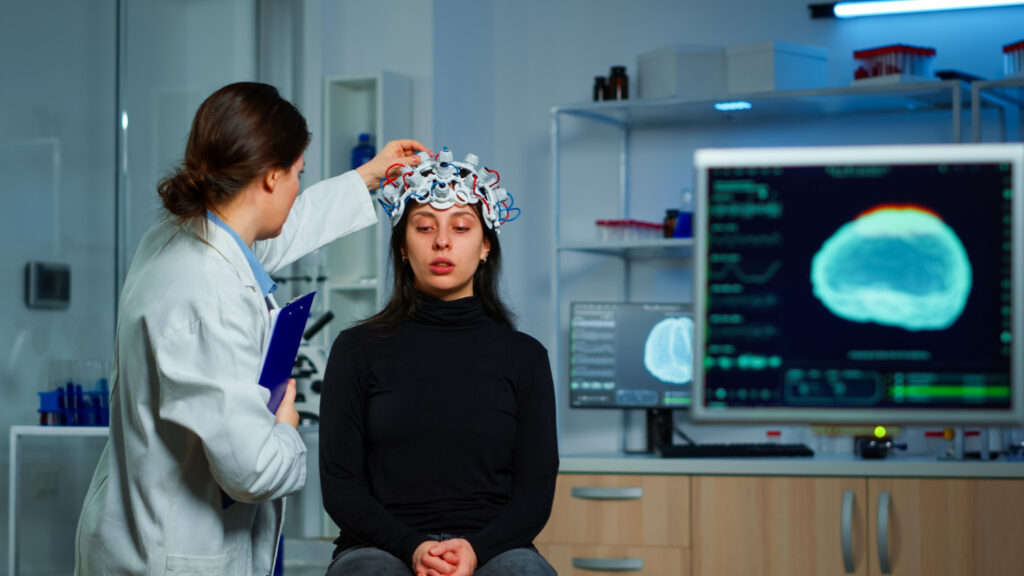
Introduction A brain tumour diagnosis is among the most distressing a patient and their family can receive. The brain is the body’s most complex organ, and any condition affecting it raises immediate and serious questions about treatment, recovery, and quality of life. For Sri Lankan patients, brain tumour treatment in India offers access to specialist neurosurgical and neuro-oncology teams, advanced surgical technology, and radiation techniques that may not be widely available locally. This guide explains the types of brain tumours treated, the surgical and radiation options available, and how Sri Lankan patients can access care at Amrita Hospitals. What Is a Brain Tumour? A brain tumour is an abnormal growth of cells within the brain or the surrounding structures, including the meninges (the membranes that cover the brain), the cranial nerves, and the pituitary gland. Brain tumours are classified as: They are further classified as benign (non-cancerous, slow-growing, and less likely to invade surrounding tissue) or malignant (cancerous, fast-growing, and capable of invading normal brain tissue). The grade of a brain tumour – from Grade I (least aggressive) to Grade IV (most aggressive) – guides the urgency and nature of treatment. What Types of Brain Tumours Are Treated in India? Brain tumour treatment in India at a specialist centre covers the full range of tumour types, including: Each tumour type behaves differently and requires a tailored treatment approach determined by the neurosurgical and oncology team. How Is a Brain Tumour Diagnosed? Diagnosis of a brain tumour typically involves a combination of imaging and tissue analysis: Sri Lankan patients who already have MRI reports or biopsy results can share these with Amrita Info Centre Sri Lanka for initial remote review by the neurosurgical team before travelling. What Surgical Options Are Available for Brain Tumours? Surgery is the primary treatment for most accessible brain tumours. The goal of surgery is to remove as much of the tumour as safely possible – a concept called maximal safe resection – while preserving the surrounding healthy brain tissue. Craniotomy The most common form of brain tumour surgery. A section of the skull is temporarily removed to allow the surgeon access to the tumour. Advanced intraoperative tools used at Amrita Hospitals include: Awake Craniotomy For tumours located near areas of the brain responsible for speech or movement, surgery may be performed with the patient conscious during part of the procedure. This allows the surgical team to monitor neurological function in real time and minimise the risk of post-operative deficits. Endoscopic Brain Surgery Minimally invasive approach used for certain tumour types, including pituitary adenomas. A thin camera is inserted through the nostril or a small incision, reducing the need for open craniotomy. Stereotactic Biopsy When a tumour is located in a region where open surgery carries significant risk, a needle biopsy guided by imaging may be performed to obtain tissue for diagnosis without full surgical resection. What Radiation Treatments Are Used for Brain Tumours? Radiation therapy plays a central role in brain tumour treatment in India, either following surgery, as a standalone treatment, or in combination with chemotherapy. Conventional External Beam Radiation Therapy Delivered over multiple sessions (fractions), typically over 4 to 6 weeks. Used for gliomas and other malignant brain tumours following surgery. Stereotactic Radiosurgery (SRS) Despite the name, this is not surgery – it is a highly precise form of radiation that delivers a large, focused dose to the tumour in a single or small number of sessions, while minimising exposure to surrounding tissue. It is used for: Amrita Hospitals operates CyberKnife and Tomotherapy systems for high-precision radiation delivery – technologies that allow tight targeting of tumour tissue with minimal impact on adjacent brain structures. Whole Brain Radiation Therapy (WBRT) Used when multiple brain metastases are present and localised treatment is not feasible. Less commonly used now due to cognitive side effects, but still indicated in selected cases. Radiation with Concurrent Chemotherapy (Chemoradiation) For high-grade gliomas such as glioblastoma, radiation is typically combined with temozolomide chemotherapy as part of the standard post-surgical treatment protocol. You can read more about the range of cancer treatment technologies available at Amrita Hospitals in our article on Cancer Treatment in India for Sri Lankan Patients: Costs, Hospitals, and Success Rates. When Is Surgery Recommended Over Radiation? The choice between surgery and radiation – or a combination of both – depends on several factors: In many cases, a combination approach is used. Surgery removes the bulk of the tumour, and radiation addresses any residual cells and reduces the risk of recurrence. What Is Recovery Like After Brain Tumour Treatment? Recovery depends significantly on the type of treatment received, the tumour’s location, and the patient’s neurological status before treatment. After Surgery After Radiation Long-Term Follow-Up Why Do Sri Lankan Patients Choose India for Brain Tumour Treatment? To understand the full scope of neurosurgical and neurological care available, you are welcome to explore the neurosciences and brain treatment specialities at Amrita Hospitals. How Do Sri Lankan Patients Access Brain Tumour Treatment in India? For detailed guidance on the visa process, our article on the Complete Guide to Medical Visa for India from Sri Lanka covers every step from documentation to collection. To begin the process without obligation, submit an enquiry through our contact page and our team will respond with clear next steps. Frequently Asked Questions Can brain tumours be treated without surgery? Yes. Small benign tumours, brain metastases, and certain other tumour types can be treated effectively with stereotactic radiosurgery such as CyberKnife, without the need for open surgery. Suitability depends on the tumour type, size, and location. Is brain surgery safe? Brain surgery carries risks, as with any major surgical procedure. However, the use of advanced intraoperative technology – including neuronavigation and intraoperative MRI – has significantly improved the safety and precision of brain tumour surgery at specialist centres. Your surgeon will discuss the specific risks relevant to your case before any procedure. How long will I need to stay in India for brain tumour treatment? For surgery alone,
Bypass Surgery and Heart Procedures: Complete Guide for Sri Lankan Cardiac Patients
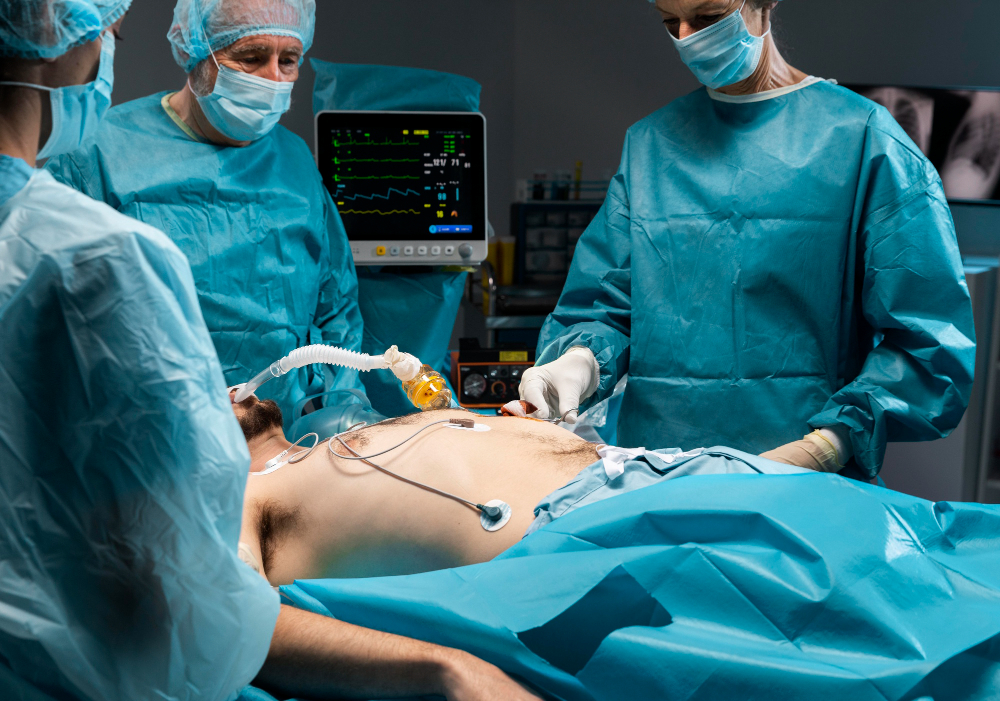
Introduction Bypass surgery of heart in India has become a trusted choice for thousands of Sri Lankan patients facing coronary artery disease and other cardiac conditions. When your cardiologist recommends heart surgery or intervention, understanding your options, the procedures involved, and what to expect during recovery helps reduce anxiety and enables informed decision-making. The heart is your body’s most vital organ, pumping blood continuously to deliver oxygen and nutrients throughout your system. When coronary arteries become blocked or narrowed due to plaque buildup, blood flow to the heart muscle decreases, causing chest pain, shortness of breath, and potentially life-threatening heart attacks. Modern cardiac interventions, from minimally invasive stenting to open-heart bypass surgery, can restore blood flow and dramatically improve quality of life. India has emerged as a leading destination for cardiac care, offering world-class surgical expertise, advanced catheterization labs, and comprehensive post-operative care at costs significantly lower than many other countries. For Sri Lankan patients, the proximity, cultural familiarity, and quality of care make India an increasingly preferred choice for cardiac procedures. This guide provides comprehensive information about bypass surgery of heart in India and related procedures, helping you understand your condition, treatment options, and the journey from diagnosis through recovery. What Is Coronary Artery Disease and When Does It Require Intervention? Coronary artery disease develops gradually over years as cholesterol, fat, and other substances accumulate in artery walls, forming plaques that narrow the vessels supplying blood to your heart. Understanding the Disease Process Atherosclerosis Development Risk Factors Symptoms Requiring Evaluation Angina (Chest Pain) Heart Attack Symptoms Other Warning Signs When Intervention Becomes Necessary Medical treatment with lifestyle changes and medications works well for many patients. However, intervention becomes necessary when: Your cardiologist evaluates multiple factors including symptom severity, extent of blockages, overall heart function, and other health conditions to determine whether you need angioplasty with stenting, bypass surgery, or can continue with medical management. What Is the Difference Between Angioplasty, Stenting, and Bypass Surgery? Understanding the different cardiac procedures helps clarify why your doctor recommends a specific approach for your situation. Angioplasty and Stenting The Procedure When It’s Recommended Types of Stents Recovery Timeline Coronary Artery Bypass Grafting (CABG) The Procedure When It’s Recommended Types of Grafts Used Recovery Timeline The heart operation cost in India varies based on procedure complexity, but both options offer excellent outcomes when performed at specialized cardiac centers. What Are the Different Types of Bypass Surgery? Bypass surgery of heart in India encompasses several approaches, each with specific advantages depending on your condition. Traditional On-Pump CABG The Standard Approach Advantages Off-Pump CABG (Beating Heart Surgery) The Procedure Potential Benefits When Considered Minimally Invasive Direct Coronary Artery Bypass (MIDCAB) The Approach Limitations Robotic-Assisted Bypass Surgery Advanced Technology The cardiac surgery team at facilities like Amrita Hospital India evaluates each patient individually to recommend the most appropriate surgical approach based on coronary anatomy, overall health, and specific risk factors. How Much Does Heart Surgery Cost in India? Understanding the financial aspects of cardiac care helps Sri Lankan families plan effectively for treatment. Angioplasty and Stenting Costs Diagnostic Angiography Single Vessel Angioplasty Multi-Vessel Angioplasty The heart stent price in India varies based on stent type, with drug-eluting stents costing more than bare metal stents but offering better long-term results. Bypass Surgery Costs Standard CABG (3-4 grafts) Off-Pump CABG Minimally Invasive Options Additional Costs Pre-Operative Tests Medications Post-Operative Care Accommodation The comprehensive bypass surgery of heart in India costs remain 60-75% lower than similar treatment in Western countries, Singapore, or the Middle East, while maintaining international quality standards. Many private hospitals in India offer package deals for international patients that include surgery, hospital stay, medications, and some follow-up visits. Our Amrita Hospitals Sri Lanka Information Centre provides detailed, itemized cost estimates and helps arrange payment methods, ensuring complete transparency before you travel. What Tests Are Needed Before Heart Surgery? Comprehensive evaluation ensures you’re medically optimized for surgery and helps identify any risks that need addressing. Cardiac Evaluation Coronary Angiography Echocardiography Stress Test (if not already done) ECG (Electrocardiogram) General Medical Evaluation Blood Tests Chest X-Ray Pulmonary Function Tests Carotid Doppler Ultrasound Specialist Consultations Anesthesiologist Cardiologist Other Specialists as Needed Most tests are completed within 1-2 days at efficient cardiac centers in India, allowing surgery to proceed quickly once you arrive. The medical team at top hospitals in India ensures all necessary evaluations are completed systematically. What Happens During the Recovery Period After Bypass Surgery? Understanding the recovery timeline helps set realistic expectations and prepares you for the journey ahead. Immediate Post-Operative Period (Days 1-3) Intensive Care Unit Early Mobilization Hospital Ward Recovery (Days 3-7) Transfer to Regular Cardiac Ward Physical Therapy Wound Care Early Home Recovery (Weeks 1-4) Activity Guidelines Common Experiences Warning Signs Requiring Medical Attention Intermediate Recovery (Weeks 4-8) Gradual Return to Activities Cardiac Rehabilitation Long-Term Recovery (Months 2-6) Resuming Normal Life Most patients feel significantly better 3-4 months after surgery compared to before surgery, with improved exercise tolerance, reduced chest pain, and better quality of life. What Medications Are Required After Heart Surgery? Lifelong medication management forms a crucial part of maintaining heart health after cardiac procedures. Essential Medications After Bypass Surgery Antiplatelet Therapy Statins (Cholesterol Medications) Beta-Blockers ACE Inhibitors or ARBs After Stenting Procedures Dual Antiplatelet Therapy (DAPT) Other Medications Medications for Risk Factor Control Diabetes Management Blood Pressure Control Importance of Medication Adherence Stopping medications, especially antiplatelet drugs after stenting, can lead to life-threatening complications. Always discuss with your cardiologist before stopping any medication, even if you experience side effects. Alternative options usually exist. Most cardiac medications are available in Sri Lanka, making long-term management convenient. Our coordination team ensures smooth transfer of prescriptions and monitoring between your Indian treatment team and Sri Lankan physicians. What Lifestyle Changes Support Long-Term Heart Health? Surgery or stenting treats existing blockages but doesn’t cure the underlying disease. Lifestyle modifications are essential for long-term success. Dietary Modifications Heart-Healthy Eating Pattern Foods to Emphasize Foods to Limit or Avoid Physical Activity Exercise Recommendations Activities to Enjoy Stress
Pancreatic Cancer Treatment: Advanced Options and Expert Care in India

Introduction Pancreatic cancer represents one of the most challenging malignancies, often diagnosed at advanced stages due to its location deep within the abdomen and subtle early symptoms. For Sri Lankan patients facing this diagnosis, accessing specialized care becomes critical. India has emerged as a leading destination for complex cancer treatment, offering advanced surgical techniques, cutting-edge chemotherapy protocols, and multidisciplinary expertise that can significantly impact outcomes. The pancreas is a vital organ located behind the stomach, responsible for producing digestive enzymes and hormones like insulin that regulate blood sugar. When cancer develops in this organ, it can affect both digestive and metabolic functions, requiring comprehensive treatment approaches that address multiple aspects of health. Many Sri Lankan families now seek pancreatic cancer treatment in India through facilities that combine surgical excellence, modern oncology protocols, and supportive care services. This guide provides detailed information about pancreatic cancer, helping patients and families understand the disease, navigate treatment options, and make informed decisions during a challenging time. What Are the Types and Stages of Pancreatic Cancer? Understanding the specific type and stage of pancreatic cancer helps clarify treatment approaches and expected outcomes. Types of Pancreatic Cancer Exocrine Tumors (95% of cases) Endocrine Tumors (5% of cases) Cancer Staging Resectable (Removable by Surgery) Borderline Resectable Locally Advanced (Unresectable) Metastatic The staging determines treatment strategy and helps set realistic expectations. Facilities specializing in pancreatic cancer use advanced imaging including high-resolution CT scans and MRI to accurately determine resectability before surgery. What Symptoms Should Prompt Medical Evaluation? Pancreatic cancer symptoms often appear late in the disease course, which partly explains why many cases are diagnosed at advanced stages. Recognizing warning signs enables earlier evaluation. Common Presenting Symptoms Jaundice (Yellowing of Skin and Eyes) Abdominal or Back Pain Unexplained Weight Loss Digestive Problems New-Onset Diabetes When to Seek Medical Attention Immediate evaluation needed when: These symptoms can result from various conditions besides cancer. However, persistent or worsening symptoms, especially in people over 50, warrant thorough investigation including imaging studies and specialist consultation. How Is Pancreatic Cancer Diagnosed? Accurate diagnosis involves multiple imaging and laboratory tests to confirm cancer presence, determine type, and assess extent of disease. Laboratory Tests Blood Tests Limitations of Tumor Markers Imaging Studies Contrast-Enhanced CT Scan MRI and MRCP Endoscopic Ultrasound (EUS) PET-CT Scan Tissue Diagnosis Biopsy Methods The diagnostic process at best cancer hospital in India facilities typically proceeds efficiently, with most tests completed within days. This rapid turnaround allows treatment planning to begin promptly once diagnosis is confirmed. What Surgical Options Exist for Pancreatic Cancer? Surgery offers the only potential cure for pancreatic cancer, though only 15-20% of patients have resectable disease at diagnosis. Major Surgical Procedures Whipple Procedure (Pancreaticoduodenectomy) Distal Pancreatectomy Total Pancreatectomy Surgical Outcomes and Expertise Importance of High-Volume Centers Potential Complications The surgical expertise available at institutions like Amrita Hospital India ensures that complex pancreatic surgeries are performed by teams with extensive experience, significantly improving both immediate outcomes and long-term survival rates. What Role Does Chemotherapy Play in Treatment? Chemotherapy forms a crucial component of pancreatic cancer treatment in India, used in various settings depending on disease stage and resectability. Adjuvant Chemotherapy (After Surgery) Standard Protocol Common Regimens Neoadjuvant Chemotherapy (Before Surgery) Borderline Resectable Disease Benefits of Neoadjuvant Approach Chemotherapy for Advanced Disease First-Line Treatment Second-Line Treatment Managing Chemotherapy Side Effects Common Side Effects Supportive Care The oncology teams at top hospitals in India provide comprehensive supportive care alongside chemotherapy, ensuring side effects are managed proactively and treatment proceeds as planned. What Is the Cost of Pancreatic Cancer Treatment in India? Understanding treatment costs helps Sri Lankan families plan financially for the journey ahead. Diagnostic Evaluation Initial Testing Surgical Costs Whipple Procedure Distal Pancreatectomy Chemotherapy Costs FOLFIRINOX Regimen Gemcitabine-Based Regimens Additional Expenses Hospital Accommodation Follow-up Care The comprehensive cancer treatment costs in India remain 60-70% lower than similar treatment in Western countries or Singapore, while maintaining international quality standards. Many hospitals offer package deals for international patients that include surgery, initial chemotherapy cycles, and accommodation. Our medical travel assistance team helps families understand complete cost breakdowns, arrange payment methods, and access financial support programs when available. How Do Radiation Therapy and Targeted Treatments Work? Beyond surgery and chemotherapy, other treatment modalities play important roles in managing pancreatic cancer. Radiation Therapy Locally Advanced Disease Stereotactic Body Radiation Therapy (SBRT) Palliative Radiation Targeted Therapies and Immunotherapy Targeted Therapy Immunotherapy Clinical Trials Combination Approaches Modern pancreatic cancer treatment in India increasingly uses combined modality therapy, integrating surgery, chemotherapy, and radiation to achieve optimal outcomes. The sequence and combination depend on individual tumor characteristics and patient factors. What Supportive Care Helps Manage Symptoms? Comprehensive cancer treatment extends beyond targeting the tumor to managing symptoms and maintaining quality of life. Pain Management Causes of Pain Pain Control Strategies Nutritional Support Digestive Enzyme Replacement Dietary Modifications Feeding Tubes Managing Diabetes After Pancreatic Surgery Blood Sugar Management Bile Duct Management For Obstructive Jaundice Surgical Bypass The palliative care teams at facilities offering comprehensive cancer treatment work alongside oncologists to ensure symptoms are well-managed, allowing patients to maintain the best possible quality of life throughout treatment. What Are Survival Rates and Long-Term Outcomes? Understanding prognosis helps patients and families set realistic expectations while maintaining hope for the best possible outcomes. Survival by Stage Resectable Disease Borderline Resectable Locally Advanced Metastatic Disease Factors Affecting Outcomes Positive Prognostic Factors Negative Prognostic Factors Follow-Up and Surveillance After Curative Surgery Monitoring During Chemotherapy While pancreatic cancer remains a serious diagnosis, advances in surgical techniques, chemotherapy protocols, and supportive care have improved outcomes. Each patient’s journey is unique, and some individuals far exceed average statistics. Why Choose India for Pancreatic Cancer Treatment? Sri Lankan patients selecting India for pancreatic cancer treatment in India benefit from multiple advantages that combine medical excellence with practical considerations. Surgical Expertise High-Volume Pancreatic Surgery Centers Multidisciplinary Tumor Boards Advanced Treatment Options Latest Chemotherapy Protocols Modern Radiation Technology Comprehensive Support Services International Patient Coordination Nutritional and Psychological Support Practical Advantages Reduced Waiting Times Cost Effectiveness Cultural and Geographic Proximity
Ovarian Cancer: Understanding Risks, Symptoms, and Treatment Options in India
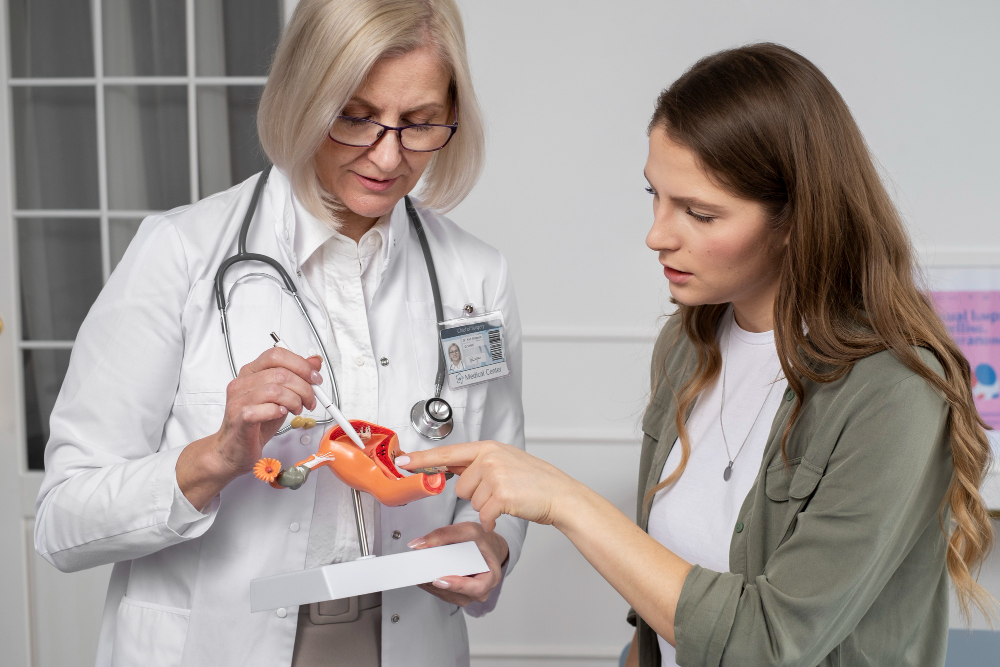
Introduction Ovarian cancer affects thousands of women worldwide each year, often presenting challenges in early detection due to its subtle initial symptoms. For Sri Lankan women diagnosed with this condition, understanding treatment options and accessing specialized care becomes a priority. India has emerged as a leading destination for gynecologic oncology, offering advanced treatment protocols, experienced specialists, and comprehensive support at accessible costs. The ovaries are two small organs in the female reproductive system that produce eggs and hormones. When cancer develops in these organs, it can grow silently for months before causing noticeable symptoms. This is why awareness of risk factors, recognition of early warning signs, and prompt medical evaluation are crucial for better outcomes. Many Sri Lankan patients now seek ovarian cancer treatment in India through facilities that provide multidisciplinary care, combining surgery, chemotherapy, and supportive services under one roof. This guide provides detailed information about ovarian cancer, helping you understand the disease, recognize symptoms early, and navigate treatment options with confidence. What Are the Main Risk Factors for Ovarian Cancer? Understanding risk factors helps women and their doctors assess individual vulnerability and make informed decisions about screening and prevention strategies. Age and Family History Age Family History Genetic Factors BRCA1 and BRCA2 Mutations Lynch Syndrome Reproductive and Hormonal Factors Pregnancy and Breastfeeding Hormone Replacement Therapy Fertility Treatments Lifestyle and Medical History Endometriosis Obesity While having risk factors doesn’t guarantee cancer development, awareness allows for proactive health management and early detection strategies. Women with multiple risk factors should discuss personalized screening plans with their healthcare providers at top hospitals in India that specialize in gynecologic oncology. How Do Ovarian Cancer Symptoms Present Themselves? One of the most challenging aspects of ovarian cancer is that early-stage symptoms can be vague and easily mistaken for common digestive or gynecological issues. Understanding the symptom patterns helps women recognize when medical evaluation is necessary. Early Warning Signs Abdominal Bloating and Discomfort Pelvic or Abdominal Pain Changes in Bathroom Habits Other Common Symptoms When to Seek Medical Attention Medical evaluation becomes important when: These symptoms can result from many conditions besides cancer, including irritable bowel syndrome, fibroids, or ovarian cysts. However, persistent or worsening symptoms warrant proper investigation, especially in women over 50 or those with risk factors. Sri Lankan women experiencing concerning ovarian cancer symptoms can access diagnostic services at specialized facilities in India, where comprehensive evaluation helps distinguish between benign conditions and cancer requiring treatment. What Diagnostic Tests Confirm Ovarian Cancer? Accurate diagnosis involves multiple steps, each providing crucial information about whether cancer is present and how far it may have spread. Initial Evaluation Pelvic Examination Transvaginal Ultrasound CA-125 Blood Test Advanced Imaging CT Scan (Computed Tomography) MRI (Magnetic Resonance Imaging) PET-CT Scan Definitive Diagnosis Surgery and Biopsy Staging During Surgery The diagnostic process at private hospitals in India typically proceeds efficiently, with most tests completed within days rather than weeks. This allows treatment planning to begin quickly once diagnosis is confirmed. What Are the Stages of Ovarian Cancer? Staging describes how far cancer has spread and guides treatment decisions. The stage at diagnosis significantly affects treatment approach and prognosis. Stage I: Confined to Ovaries Stage IA Stage IB Stage IC Stage II: Spread to Nearby Structures Stage IIA Stage IIB Stage III: Spread to Abdomen Stage IIIA Stage IIIB Stage IIIC Stage IV: Distant Spread Stage IVA Stage IVB Most ovarian cancers are diagnosed at stage III or IV because early symptoms are subtle. However, even advanced-stage disease can be treated effectively with modern therapies available at centers specializing in ovarian cancer treatment in India. What Surgical Options Exist for Ovarian Cancer? Surgery forms the cornerstone of treatment for most ovarian cancers, serving both diagnostic and therapeutic purposes. Surgical Procedures Total Abdominal Hysterectomy with Bilateral Salpingo-Oophorectomy Omentectomy Lymph Node Dissection Tumor Debulking (Cytoreduction) Fertility-Sparing Surgery For young women with early-stage disease who want to preserve fertility: Minimally Invasive Approaches Laparoscopic Surgery The surgical team at facilities like Amrita Hospital India evaluates each patient individually to determine the most appropriate surgical approach based on cancer stage, overall health, and personal circumstances. How Does Chemotherapy Work in Ovarian Cancer Treatment? Most ovarian cancer patients receive chemotherapy as part of their treatment plan, either after surgery or in combination with surgical debulking. Timing of Chemotherapy Adjuvant Chemotherapy Neoadjuvant Chemotherapy Chemotherapy for Recurrent Disease Standard Chemotherapy Regimens First-Line Treatment Intraperitoneal (IP) Chemotherapy Common Side Effects Targeted Therapies Bevacizumab (Avastin) PARP Inhibitors The chemotherapy protocols at top hospitals in India follow international guidelines while being customized to individual patient needs and tolerance levels. What Is the Cost of Ovarian Cancer Treatment in India? Financial planning is an important aspect of managing cancer treatment, especially for international patients. Understanding the cost structure helps families prepare adequately. Surgery Costs Staging Surgery with Hysterectomy and Oophorectomy Extensive Debulking Surgery Chemotherapy Costs Standard 6-Cycle Regimen (Carboplatin + Paclitaxel) Targeted Therapy Additional Costs Diagnostic Tests Hospital Stay and Care Follow-up Care The overall ovarian cancer treatment in India typically costs 60-70% less than similar treatment in Western countries, without compromising on quality or outcomes. Many hospitals offer package deals that bundle surgery, chemotherapy, and accommodation for international patients. Sri Lankan patients benefit from proximity to India, allowing family visits and easier coordination with home doctors. The team at our Amrita Hospitals Sri Lanka Information Centre provides detailed cost estimates and helps arrange payment plans when needed. How Long Is the Recovery Process After Ovarian Cancer Treatment? Recovery timelines vary based on treatment extent and individual factors, but understanding general expectations helps with planning. Recovery After Surgery Hospital Phase (5-10 days) Early Home Recovery (Weeks 1-4) Intermediate Recovery (Weeks 4-8) Full Recovery (Months 3-6) Managing Chemotherapy Side Effects During Treatment Between Cycles After Chemotherapy Completion Emotional Recovery Cancer treatment affects mental and emotional health alongside physical recovery: Most patients can return to work 2-3 months after completing treatment, though this varies based on job demands and individual recovery patterns. What Follow-Up Care Do Ovarian Cancer Survivors Need? Lifelong monitoring remains essential
Thyroid Cancer Treatment in India: Surgery, Recovery, and Long-term Care
Introduction Thyroid cancer treatment in India has become a trusted option for thousands of Sri Lankan patients seeking world-class medical care at accessible costs. When you or a loved one receives a thyroid cancer diagnosis, questions about treatment options, surgery, recovery, and long-term outcomes naturally follow. Understanding your treatment pathway helps reduce anxiety and allows you to make informed decisions about your health. The thyroid gland, a butterfly-shaped organ in your neck, produces hormones that regulate metabolism, heart rate, and body temperature. When cancer develops in this gland, timely and appropriate treatment becomes essential. India’s advanced healthcare infrastructure, combined with experienced oncologists and endocrine surgeons, offers comprehensive treatment protocols that align with international medical standards. For Sri Lankan patients, seeking medical travel India services provides access to specialized care, shorter waiting times, and significant cost advantages compared to treatment in many other countries. This guide walks you through everything you need to know about thyroid cancer treatment in India, from diagnosis to recovery and beyond. What Types of Thyroid Cancer Require Different Treatment Approaches? Thyroid cancer isn’t a single disease. The treatment your doctor recommends depends heavily on the specific type of cancer you have. Understanding these distinctions helps clarify why treatment plans vary between patients. Papillary Thyroid Cancer The most common type, accounting for about 80% of cases. This cancer typically grows slowly and responds well to treatment. Most patients with papillary thyroid cancer have excellent long-term outcomes. Follicular Thyroid Cancer The second most common type, also generally slow-growing. While slightly more aggressive than papillary cancer, follicular thyroid cancer still carries a favorable prognosis when treated appropriately. Medullary Thyroid Cancer This rarer form develops in C cells that produce calcitonin. It can sometimes run in families and may require genetic testing for family members. Anaplastic Thyroid Cancer The most aggressive form, though fortunately rare. This type requires immediate, intensive treatment and often involves a combination of surgery, radiation, and chemotherapy. The type of cancer, along with its stage, size, and whether it has spread beyond the thyroid, determines your treatment plan. Your medical team will explain which category your diagnosis falls into and what that means for your treatment journey. When Is Surgery Recommended for Thyroid Cancer? Surgery remains the primary treatment for most thyroid cancers. The extent of surgery depends on several factors including tumor size, cancer type, and whether the cancer has spread to lymph nodes. Thyroidectomy Options Partial Thyroidectomy (Lobectomy) Total Thyroidectomy Modified Radical Neck Dissection The decision about which surgery you need comes from careful evaluation of your specific case. Your surgeon will explain why they recommend a particular approach based on your imaging results, biopsy findings, and overall health status. What Does Thyroid Cancer Surgery Cost in India? Thyroid cancer surgery cost in India represents a significant consideration for international patients. Understanding the financial aspects helps you plan your treatment journey effectively. Surgery Cost Breakdown Total Thyroidectomy Partial Thyroidectomy Neck Dissection (if required) Additional Treatment Costs Radioactive Iodine Therapy Hospital Stay Diagnostic Tests The thyroid removal surgery cost in India varies based on the hospital, surgeon’s experience, and complexity of your case. Leading institutions like Amrita Hospital India provide transparent pricing and detailed cost estimates before treatment begins. Sri Lankan patients benefit from favorable currency exchange rates and comprehensive package deals that often include accommodation, airport transfers, and follow-up consultations. The Our Specialities section of our website details the endocrine surgery and oncology services available. How Long Does Recovery Take After Thyroid Surgery? Recovery timelines vary based on the extent of surgery and your individual healing process. Understanding what to expect helps you plan your time in India and arrange support at home. Immediate Post-Surgery Period (Days 1-3) Early Recovery (Weeks 1-2) Intermediate Recovery (Weeks 3-6) Long-term Recovery (Months 2-6) Most Sri Lankan patients can travel home 7-10 days after surgery, once initial healing is confirmed and sutures are removed. However, you’ll need to remain accessible for follow-up appointments, which can often be coordinated through telemedicine or at our Amrita Hospitals Sri Lanka Information Centre. What Complications Should Patients Be Aware Of? While thyroid surgery is generally safe, understanding potential complications helps you recognize warning signs and seek timely help if needed. Voice Changes Low Calcium Levels (Hypocalcemia) Bleeding or Infection Permanent Hypothyroidism Your surgical team will explain these risks in detail and discuss your individual risk factors. Experienced surgeons at best hospital in India facilities have lower complication rates due to high surgical volumes and specialized expertise. How Does Radioactive Iodine Treatment Work? Many patients with thyroid cancer require radioactive iodine (RAI) therapy after surgery. This treatment targets any remaining thyroid cells or cancer cells that surgery couldn’t remove. The Treatment Process Preparation Phase Treatment Day Post-Treatment Care Follow-up Scanning Most patients tolerate RAI therapy well. Side effects like dry mouth, taste changes, or nausea are usually mild and temporary. The treatment significantly reduces the risk of cancer recurrence and is a crucial part of comprehensive thyroid cancer treatment in India. What Long-term Follow-up Care Do Thyroid Cancer Patients Need? Thyroid cancer survivors require lifelong monitoring to detect recurrence early and ensure thyroid hormone levels remain optimal. Thyroid Hormone Replacement Monitoring Schedule First Two Years Years 3-5 Beyond Five Years Signs of Recurrence Most recurrences happen within the first five years after treatment. However, thyroid cancer can recur even decades later, which is why lifelong surveillance remains important. Our Patient Service team helps coordinate follow-up care between your doctors in India and Sri Lanka, ensuring continuity of care. Why Do Sri Lankan Patients Choose India for Thyroid Cancer Treatment? The decision to seek treatment abroad involves weighing multiple factors. For Sri Lankan patients, India offers compelling advantages that extend beyond cost savings. Medical Expertise and Experience Advanced Infrastructure Shorter Waiting Times Comprehensive Support Cost Effectiveness The proximity between Sri Lanka and India also means shorter travel times, similar climate and dietary preferences, and easier family visits during treatment. These practical considerations make the treatment journey less stressful for patients and caregivers alike.
Colon and Colorectal Cancer: Symptoms, Screening, and Treatment in India
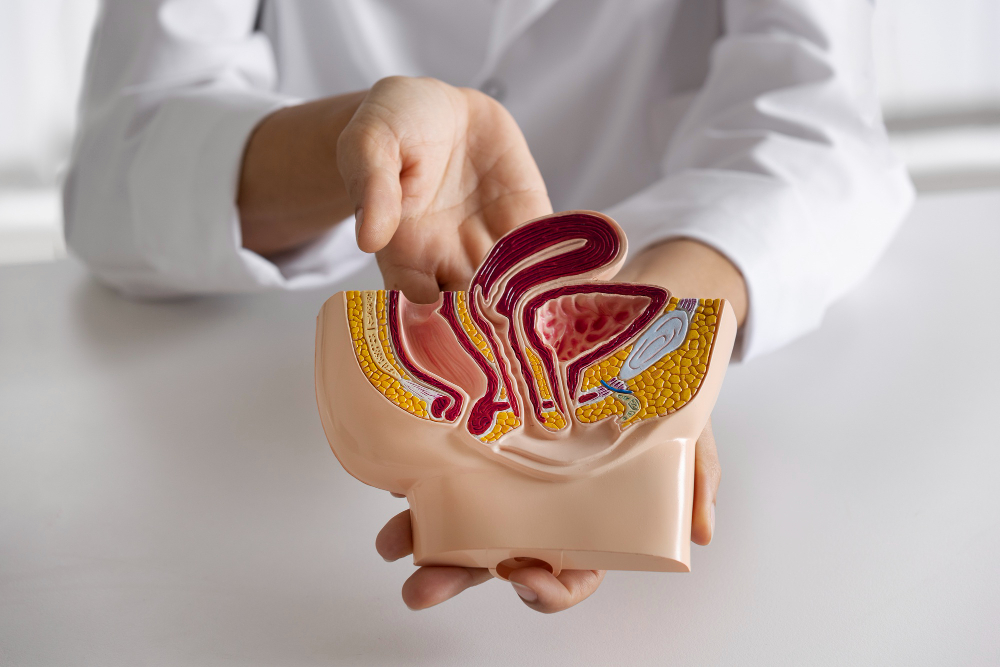
Introduction Colon cancer and colorectal cancer are among the most common cancers worldwide, yet they are also among the most preventable and treatable when detected early. Understanding the warning signs, importance of screening, and available treatment options can significantly improve outcomes and save lives. For Sri Lankan patients seeking expert diagnosis and comprehensive treatment, India offers advanced colorectal cancer care through experienced surgical oncologists, state-of-the-art technology, and multidisciplinary treatment approaches. This guide provides medically accurate information about colon cancer, helping patients and families make informed decisions about screening, diagnosis, and treatment pathways. What Is Colon and Colorectal Cancer? Colon cancer develops in the large intestine (colon), while colorectal cancer refers to cancers affecting either the colon or rectum. These terms are often used interchangeably, as both types share similar characteristics and treatment approaches. Understanding the Anatomy The colon is approximately 5 feet long and forms the final part of the digestive system. It absorbs water and nutrients from food while forming waste products for elimination. The rectum is the last 6 inches of the large intestine, connecting to the anus. How Cancer Develops Most colorectal cancer begins as polyps, small growths on the inner lining of the colon or rectum. While most polyps are benign, some types can become cancerous over time, typically taking 10-15 years to develop from polyp to cancer. Types of polyps: Regular screening allows doctors to find and remove polyps before they become cancerous, making colon cancer one of the most preventable cancers. What Causes Colon Cancer? While the exact cause is not always clear, several factors increase the risk of developing colon cancer. Risk Factors Age: Family History: Personal Medical History: Lifestyle Factors: Ethnicity: Understanding your risk factors helps determine appropriate screening schedules and preventive measures. What Are the Warning Signs and Symptoms? Early-stage colon cancer often produces no symptoms, which is why screening is crucial. As the disease progresses, various colon cancer symptoms may appear. Common Symptoms Changes in Bowel Habits: Rectal Symptoms: Abdominal Discomfort: Unexplained Symptoms: When to Seek Medical Attention If you experience any colon cancer symptoms that persist for more than two weeks, consult a healthcare provider. While these symptoms can be caused by many conditions less serious than cancer, proper evaluation is essential. The Amrita Info Centre Sri Lanka can help coordinate consultations with gastroenterology and colorectal surgery specialists at Amrita Hospital India for thorough evaluation. Why Is Screening Important? Screening saves lives by detecting colon cancer early when treatment is most effective, or by finding precancerous polyps that can be removed before they become cancerous. Screening Guidelines Average Risk Individuals: High-Risk Individuals: Screening Methods Colonoscopy: Fecal Tests: CT Colonography (Virtual Colonoscopy): Flexible Sigmoidoscopy: Regular screening dramatically reduces colorectal cancer deaths. Studies show that screening reduces mortality by 60-70% through early detection and polyp removal. How Is Colorectal Cancer Diagnosed? If screening or symptoms suggest possible colon cancer, comprehensive diagnostic evaluation confirms the diagnosis and determines disease extent. Diagnostic Procedures Colonoscopy with Biopsy: Imaging Studies: Blood Tests: Molecular Testing: Comprehensive evaluation at private hospitals in India> ensures accurate diagnosis and appropriate treatment planning. What Treatment Options Are Available? Treatment for colon cancer depends on stage, location, and individual patient factors. Most patients receive a combination of therapies. Surgery Surgery is the primary treatment for localized colon cancer and aims to remove the tumor with surrounding healthy tissue. Types of Surgery: Polypectomy or Local Excision: Colectomy: Minimally Invasive Approaches: Temporary or Permanent Colostomy: Chemotherapy Chemotherapy destroys cancer cells throughout the body and is used in various situations: Adjuvant Chemotherapy: Neoadjuvant Chemotherapy: Palliative Chemotherapy: Radiation Therapy Primarily used for rectal cancers, radiation kills cancer cells in specific areas. Applications: Advanced Techniques: Targeted Therapy For colorectal cancer with specific molecular characteristics, targeted drugs attack cancer cells while sparing normal tissue. Common Targets: Molecular testing determines which patients benefit from targeted therapies. Immunotherapy A newer treatment approach that helps the immune system fight cancer. Effective for tumors with: These molecular features occur in approximately 5-15% of colon cancer cases. Multidisciplinary Care Leading cancer centers like Amrita Hospital Indi> provide coordinated care through tumor boards where: collaborate to develop personalized treatment plans optimized for each patient. What Are the Stages of Colon Cancer? Colon cancer is staged from 0 to IV based on how far the cancer has spread. Staging guides treatment decisions and helps predict outcomes. Stage Overview Stage 0 (Carcinoma in Situ): Stage I: Stage II: Stage III: Stage IV: Early detection through screening significantly increases the likelihood of finding colon cancer at an earlier, more treatable stage. Can Colon Cancer Be Prevented? While not all cases are preventable, several measures significantly reduce colon cancer risk. Screening and Polyp Removal Regular screening is the most effective prevention strategy: Lifestyle Modifications Dietary Changes: Physical Activity: Avoid Harmful Substances: Aspirin Therapy For certain high-risk individuals, daily low-dose aspirin may reduce colon cancer risk. This should only be done under medical supervision due to potential side effects. Managing Medical Conditions Prevention strategies, combined with awareness of colon cancer symptoms, create the best approach to reducing risk and detecting disease early. Why Choose India for Treatment? Sri Lankan patients increasingly select India for colorectal cancer treatment for several compelling reasons. Medical Excellence Private hospitals in India offer: Advanced Technology Leading centers provide: Cost Effectiveness Treatment costs for colon cancer in India are 60-70% lower than in Western countries while maintaining international quality standards. This includes: Accessibility Geographic Proximity: Cultural and Language Familiarity: Comprehensive Support The Amrita Info Centre Sri Lanka provides: Frequently Asked Questions How common is colon cancer? Colon cancer is the third most common cancer worldwide. Incidence is rising in younger adults, making awareness and appropriate screening increasingly important. Are there different types of colon cancer? Over 95% are adenocarcinomas arising from gland cells. Less common types include carcinoid tumors, gastrointestinal stromal tumors, and lymphomas, each requiring specific treatment approaches. Can colon cancer spread to other parts of the body? Yes, colorectal cancer commonly spreads (metastasizes) to the liver and lungs. It can also
Understanding CAR T-Cell Therapy: Revolutionary Cancer Treatment Available in India
Introduction Cancer treatment has evolved dramatically over the past decade, with immunotherapy emerging as one of the most promising approaches. Among these advances, CAR T-cell therapy represents a revolutionary breakthrough that harnesses the body’s own immune system to fight cancer. This personalized treatment has shown remarkable success in patients with certain blood cancers who have not responded to conventional therapies. For Sri Lankan patients exploring advanced cancer treatment options, understanding CAR T-cell therapy, how it works, and its availability in India provides important information for making informed medical decisions. This guide explains this innovative treatment in clear, accessible terms while addressing common questions about eligibility, process, and outcomes. What Is CAR T-Cell Therapy? CAR T-cell therapy (Chimeric Antigen Receptor T-cell therapy) is a form of immunotherapy that modifies a patient’s own immune cells to recognize and destroy cancer cells. Unlike traditional treatments that directly attack cancer, T-cell therapy empowers the immune system to do the work. The Science Behind the Treatment T-cells are white blood cells that naturally patrol the body looking for threats. In cancer, these cells often fail to recognize cancer cells as dangerous. CAR T-cell therapy solves this problem by genetically engineering T-cells to: This personalized approach uses the patient’s own cells, making it a form of precision medicine. Why It Is Revolutionary Traditional cancer treatments like chemotherapy and radiation affect healthy cells along with cancer cells. T-cell therapy is highly targeted, focusing specifically on cancer cells while largely sparing healthy tissue. This specificity can lead to better outcomes with different side effect profiles. How Does CAR T-Cell Therapy Work? The CAR T-cell therapy process involves several carefully coordinated steps that take place over several weeks. Step 1: T-Cell Collection (Leukapheresis) Blood is drawn from the patient through a process similar to dialysis. A machine separates T-cells from other blood components, collecting millions of T-cells while returning the remaining blood to the patient. This process takes 3-4 hours. Step 2: Genetic Engineering The collected T-cells are sent to a specialized laboratory where: Step 3: Preparation Chemotherapy Before receiving the modified cells back, patients undergo lymphodepleting chemotherapy to: Step 4: CAR T-Cell Infusion The engineered T-cells are infused back into the patient through an IV line, similar to a blood transfusion. The infusion itself takes about 30 minutes and is generally well-tolerated. Step 5: Monitoring and Recovery Patients remain under close medical observation for at least 10-14 days after infusion to: Which Cancers Can Be Treated? CAR T-cell therapy is currently approved and primarily used for certain blood cancers. Research is ongoing to expand its applications. Approved Indications Acute Lymphoblastic Leukemia (ALL): Diffuse Large B-Cell Lymphoma (DLBCL): Follicular Lymphoma: Mantle Cell Lymphoma: Multiple Myeloma: Emerging Applications Clinical trials are exploring T-cell therapy treatment in India and globally for: While solid tumor applications show promise, blood cancers remain the primary focus where CAR T-cell therapy has proven most effective. Who Is Eligible for This Treatment? Not all cancer patients are suitable candidates for CAR T-cell therapy. Comprehensive evaluation determines eligibility. General Eligibility Criteria Evaluation Process Before approval for CAR T-cell therapy, patients undergo: The multidisciplinary team including oncologists, hematologists, and immunotherapy specialists reviews all findings to determine suitability. What Is the Treatment Process? Understanding the complete CAR T-cell therapy journey helps patients and families prepare appropriately. Timeline Overview Week 1-2: Initial consultation and eligibility assessment at best hospital in India Week 3: T-cell collection (leukapheresis) Week 4-7: Manufacturing period (cells sent to lab for modification) Week 8: Admission for preparatory chemotherapy Week 9: CAR T-cell infusion Week 9-11: Inpatient monitoring and management Month 3-6: Regular follow-up visits and response assessment Hospital Stay Patients typically spend: Caregiver Requirements Patients must have a dedicated caregiver who: The medical travel assistance team can help coordinate accommodation and support services for international patients and caregivers. What Are the Success Rates and Outcomes? CAR T-cell therapy has produced remarkable results in many patients, though outcomes vary by cancer type and individual factors. Response Rates Acute Lymphoblastic Leukemia: Diffuse Large B-Cell Lymphoma: Multiple Myeloma: Long-Term Outcomes Studies show that: It is important to note that not all patients respond to CAR T-cell therapy, and some who initially respond may experience relapse. However, for those who do respond, the therapy can be life-changing. What Side Effects Should Patients Know About? While CAR T-cell therapy offers significant benefits, it can cause serious side effects that require expert management. Cytokine Release Syndrome (CRS) The most common side effect, occurring when activated T-cells release large amounts of inflammatory molecules: Symptoms: Management: Immune Effector Cell-Associated Neurotoxicity Syndrome (ICANS) Affects the nervous system, causing: Symptoms: Management: Other Side Effects Leading centers like Amrita Hospital India have experienced teams trained in recognizing and managing these side effects promptly, significantly improving safety and outcomes. Is CAR T-Cell Therapy Available in India? Yes, T-cell therapy treatment in India is available at select advanced cancer centers that have received regulatory approval and developed the necessary infrastructure. Approved Centers Several best hospitals in India now offer CAR T-cell therapy, including specialized cancer institutes with: Amrita Hospital India has established expertise in advanced cancer treatments and can provide information about CAR T-cell therapy availability and suitability for individual patients. Regulatory Approval India’s drug regulatory authority has approved specific CAR T-cell products for clinical use, making this treatment legally available to eligible patients. The approvals continue to expand as more therapies complete clinical trials. Cost Considerations CAR T-cell therapy is a complex, personalized treatment. Costs in India are significantly lower than in Western countries but still substantial, typically ranging from USD 60,000 to 150,000 depending on the specific product and hospital. The Amrita Info Centre Sri Lanka can provide detailed cost estimates, insurance guidance, and financial counseling for Sri Lankan patients considering this treatment. International Patient Support For Sri Lankan patients, the treatment journey includes: Frequently Asked Questions Is CAR T-cell therapy a cure? CAR T-cell therapy has led to long-term remission in many patients, and some may be considered cured. However, it does not cure all
Lasik Eye Surgery in India: Cost, Safety, and Vision Correction Options
Introduction Clear vision transforms daily life, from reading and working to driving and enjoying hobbies. For millions of people worldwide who depend on glasses or contact lenses, laser vision correction offers a path to visual freedom. LASIK eye surgery has become one of the most performed and trusted refractive procedures globally, and India has emerged as a leading destination offering advanced technology, experienced surgeons, and accessible pricing. For Sri Lankan patients considering vision correction, understanding the procedure, safety protocols, expected outcomes, and lasik eye surgery cost in India helps make informed decisions. This comprehensive guide addresses common questions and provides medically accurate information about laser vision correction options available through leading eye care centers. What Is LASIK Eye Surgery? LASIK (Laser-Assisted In Situ Keratomileusis) is a refractive surgery that reshapes the cornea to correct vision problems. The cornea is the clear front surface of the eye, and its shape determines how light focuses on the retina. Conditions Treated by LASIK How LASIK Works The procedure involves two main steps: The entire procedure typically takes 15-20 minutes for both eyes, and most patients notice improved vision within 24 hours. Who Is a Suitable Candidate for LASIK? Not everyone is an ideal candidate for LASIK eye surgery. Comprehensive pre-operative evaluation determines eligibility. General Eligibility Criteria Conditions That May Affect Eligibility If LASIK is not suitable, alternative procedures such as PRK (Photorefractive Keratectomy), SMILE (Small Incision Lenticule Extraction), or implantable contact lenses may be recommended based on individual eye characteristics. How Much Does Eye Surgery Cost in India? One of the most common questions patients ask is how much does eye surgery cost India. The cost varies based on technology used, surgeon expertise, hospital facility, and the complexity of your refractive error. Typical Cost Range Lasik eye surgery cost in India generally ranges from: These costs are significantly lower compared to Western countries while maintaining international quality standards. What Is Included in the Cost? Comprehensive packages typically include: Factors Affecting Cost The Amrita Info Centre Sri Lanka can provide accurate cost estimates based on your specific vision correction needs and connect you with experienced ophthalmologists at Amrita Hospital India. What Advanced Technologies Are Available? India’s premier eye care centers offer cutting-edge technologies that enhance safety, precision, and visual outcomes. Bladeless LASIK (Femto-LASIK) Uses a femtosecond laser instead of a mechanical blade to create the corneal flap, offering: Wavefront-Guided LASIK Creates a detailed map of eye aberrations and customizes treatment to address: Contoura Vision (Topography-Guided LASIK) Maps 22,000 points on the cornea to correct irregularities, resulting in: SMILE (Small Incision Lenticule Extraction) A minimally invasive procedure that: Transepithelial PRK (No-Touch PRK) An alternative surface ablation technique suitable for: Is Eye Color Change Surgery Available? While discussing vision correction, some patients inquire about eye color change surgery cost in India. This is a cosmetic procedure distinct from vision correction. Understanding the Procedure Eye color change procedures aim to alter iris pigmentation through: Important Medical Considerations These procedures carry significant risks including: Most reputable ophthalmology centers do not recommend purely cosmetic iris procedures due to safety concerns. If you are interested in exploring this option, thorough medical consultation is essential to understand risks versus benefits. What Should Patients Expect During the Procedure? Understanding the LASIK eye surgery process helps reduce anxiety and prepare appropriately. Pre-Operative Preparation Comprehensive Eye Examination: Patient Instructions: During the Procedure Most patients remain awake and comfortable throughout the procedure. Immediate Post-Procedure What Is the Recovery Process Like? Recovery from LASIK eye surgery is typically quick, though individual experiences vary. Timeline First 24 Hours: First Week: First Month: 3-6 Months: Success Rates Studies show that approximately: Why Choose India for Vision Correction? Sri Lankan patients increasingly choose India for LASIK eye surgery for several compelling reasons: World-Class Technology Leading Indian eye hospitals invest in the latest equipment: Experienced Surgeons India hosts numerous ophthalmologists with: Cost Advantage The lasik eye surgery cost in India is 60-80% lower than in Western countries or even regional options, making quality vision correction accessible to more patients. Comprehensive Care Amrita Hospital India and similar institutions provide: Easy Access The short distance from Sri Lanka, familiar cultural context, and availability of medical visa India assistance through the Amrita Info Centre Sri Lanka make the entire process straightforward. Frequently Asked Questions Is LASIK painful? No, LASIK eye surgery is not painful. Anesthetic eye drops completely numb the eyes. Patients may feel mild pressure during the procedure and slight discomfort for a few hours afterward, which is easily managed. How long does LASIK last? LASIK permanently reshapes the cornea. Results are long-lasting, though normal age-related changes like presbyopia (difficulty reading after age 40) can still occur. Enhancement procedures are available if needed. Can both eyes be treated on the same day? Yes, it is standard practice to treat both eyes in one session. This approach provides balanced vision correction and simplifies the recovery process. When can I return to work? Most patients return to work within 1-3 days after LASIK eye surgery. Those with jobs requiring extensive computer use may need a few extra days as eyes adjust to new vision. Are there risks or side effects? While LASIK eye surgery is very safe, potential side effects include: Serious complications are rare when performed by experienced surgeons using advanced technology. How do I start the process? Contact the Amrita Info Centre Sri Lanka to schedule a preliminary consultation. The team will review your vision correction needs, coordinate with ophthalmologists in India, and provide detailed information about costs, procedures, and travel arrangements. Conclusion LASIK eye surgery offers a proven, safe pathway to visual independence for millions of people worldwide. With advanced technologies, experienced surgeons, and comprehensive care protocols, India provides excellent vision correction outcomes at costs that make treatment accessible. For Sri Lankan patients, the combination of proximity, quality, affordability, and dedicated patient coordination services creates an ideal environment for vision correction. Whether you are tired of glasses, frustrated with contact lenses, or simply want to explore your options, taking the
Lung Cancer Treatment in India: Advanced Therapies and Hope for Sri Lankan Patients
Introduction Lung cancer remains one of the most serious health challenges globally, but advances in medical science have transformed how this disease is diagnosed and treated. For Sri Lankan patients seeking world-class care, India has emerged as a trusted destination offering cutting-edge lung cancer therapies, experienced oncology teams, and comprehensive support throughout the treatment journey. Understanding your diagnosis, knowing the available treatment options, and accessing the right medical expertise can make a significant difference in outcomes. This guide provides clear, medically accurate information about lung cancer, its symptoms, and the advanced treatment pathways available through private hospitals in India. What Is Lung Cancer? Lung cancer occurs when cells in the lungs begin to grow abnormally and uncontrollably. These cells can form tumors that interfere with normal lung function, making it difficult to breathe and reducing the body’s ability to receive oxygen. There are two main types: Early detection significantly improves treatment outcomes. Many patients do not experience symptoms in the early stages, which is why awareness of risk factors and screening are important. Who Is at Higher Risk? Risk factors include: What Are the Common Lung Cancer Symptoms? Recognizing lung cancer symptoms early can lead to timely diagnosis and treatment. Many symptoms are non-specific and can be mistaken for other respiratory conditions, so medical evaluation is essential. Early Warning Signs Advanced Symptoms As the disease progresses, additional cancer symptoms may include: If you or a loved one experience any of these symptoms persistently, it is important to consult a healthcare provider for proper evaluation. The Amrita Info Centre Sri Lanka can help coordinate specialist consultations and diagnostic assessments. How Is Lung Cancer Diagnosed? Accurate diagnosis is the foundation of effective treatment. Indian hospitals use internationally recognized diagnostic protocols to confirm the presence, type, and stage of lung cancer. Common Diagnostic Methods Staging Once diagnosed, lung cancer is staged from I to IV based on tumor size, spread to lymph nodes, and presence of distant metastasis. Staging determines the most appropriate treatment approach. What Treatment Options Are Available in India? India’s leading cancer centers offer comprehensive, evidence-based treatment for lung cancer. Treatment plans are personalized based on cancer type, stage, patient health, and molecular profile. Surgery Surgical removal of the tumor is often recommended for early-stage lung cancer when the disease is localized. Types of surgery: Minimally invasive techniques such as video-assisted thoracoscopic surgery (VATS) and robotic surgery are commonly used, resulting in shorter recovery times and reduced complications. Chemotherapy Chemotherapy uses anti-cancer drugs to destroy cancer cells throughout the body. It may be used: Radiation Therapy High-energy beams target and destroy cancer cells. Advanced techniques available in India include: Targeted Therapy For patients with specific genetic mutations, targeted therapy drugs attack cancer cells while sparing healthy tissue. Common targets include: Molecular testing is performed to identify suitable candidates for targeted therapy. Immunotherapy Immunotherapy helps the body’s immune system recognize and fight cancer cells. Checkpoint inhibitors have shown promising results in treating lung cancer, particularly in patients whose tumors express PD-L1. Combination Approaches Many patients receive multimodal treatment combining surgery, chemotherapy, radiation, and newer therapies based on clinical evaluation and response to initial treatment. Why Do Sri Lankan Patients Choose India for Lung Cancer Treatment? India has become a preferred destination for Sri Lankan patients seeking specialized lung cancer treatment in India for several important reasons: Advanced Medical Technology Amrita Hospital India and other leading centers are equipped with: Experienced Oncology Teams Indian hospitals host multidisciplinary teams including: These teams work collaboratively to develop individualized treatment plans. Accessibility and Affordability Compared to Western countries, treatment costs in India are significantly lower while maintaining international quality standards. This makes advanced cancer care accessible to more patients. Proximity and Cultural Familiarity The short travel distance from Sri Lanka to India, shared cultural similarities, and language accessibility make the treatment journey less stressful for patients and families. Comprehensive Support Services The Amrita Info Centre Sri Lanka provides end-to-end support including: What Should Patients Expect During Treatment? Understanding the treatment process helps patients and families prepare mentally and practically. Initial Consultation After arriving in India, patients undergo: Treatment Timeline Duration varies based on cancer stage and treatment approach: Follow-Up Care Regular follow-up is essential to: The Amrita Info Centre Sri Lanka coordinates post-treatment follow-up, ensuring continuity of care after patients return home. Frequently Asked Questions Can lung cancer be cured? When detected early, many cases of lung cancer can be successfully treated with curative intent. Advanced stages may not be curable but can be managed effectively to improve quality of life and extend survival. How long does treatment take? Treatment duration depends on the stage and type of lung cancer. Surgery may require 1-2 months including recovery, while chemotherapy or radiation can extend over several months. Your oncology team will provide a personalized timeline. What are the side effects of treatment? Common side effects include fatigue, nausea, hair loss (with chemotherapy), skin changes (with radiation), and breathing difficulties. Supportive care teams manage these symptoms effectively. Is immunotherapy available for all lung cancer patients? Immunotherapy is most effective for patients whose tumors express certain biomarkers like PD-L1. Molecular testing determines eligibility for this treatment approach. Can I return home during treatment? Some patients travel between Sri Lanka and India during treatment gaps, particularly between chemotherapy cycles. Your medical team will advise based on your treatment schedule and health status. How can I start the process? Contact the Amrita Info Centre Sri Lanka to schedule an initial consultation. The team will review your medical reports, coordinate with specialists in India, and guide you through every step of the process. Conclusion Lung cancer diagnosis can feel overwhelming, but access to advanced medical care and experienced oncology teams provides genuine hope. India’s leading hospitals offer internationally recognized treatment protocols, cutting-edge technology, and compassionate care that has helped thousands of patients. For Sri Lankan patients, the journey is made smoother through dedicated support services that handle medical coordination, travel arrangements, and ongoing care. Whether you are seeking a second
Cervical Cancer: Prevention, Symptoms, and Treatment Options in India
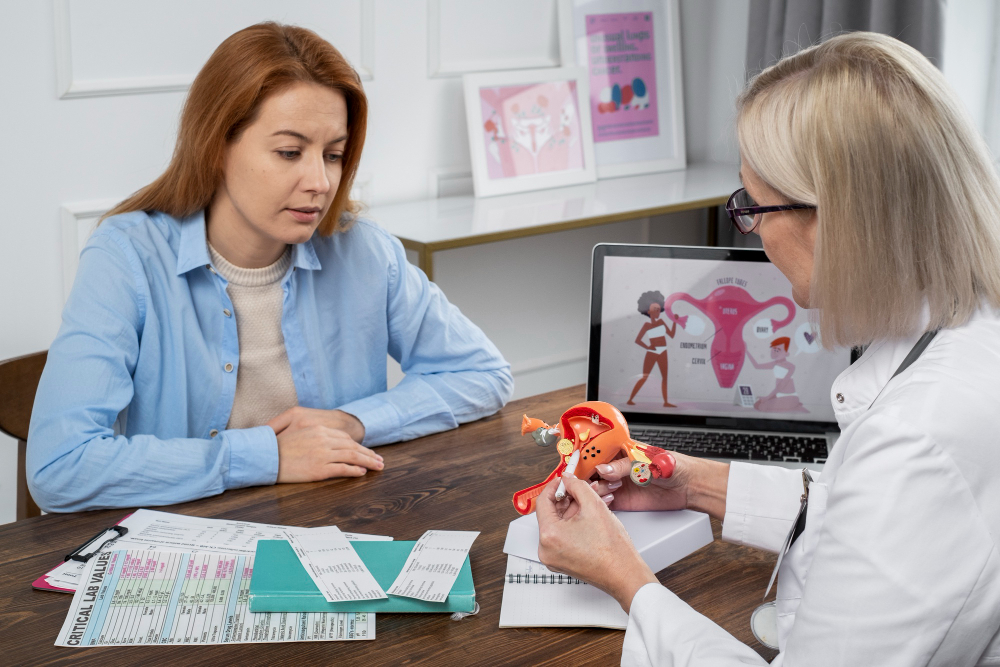
What Is Cervical Cancer and Who Is at Risk? Cervical cancer develops in the cells of the cervix, the lower part of the uterus that connects to the vagina. It is one of the most preventable and treatable cancers when detected early through routine screening. Globally, cervical cancer remains a significant health concern, particularly in regions with limited access to HPV vaccination and regular Pap smear screening. In South Asia, including Sri Lanka, many women are diagnosed at advanced stages due to delayed screenings or lack of awareness about cervical cancer symptoms. Who is most at risk? Early detection through screening can identify precancerous changes before they develop into invasive cervical cancer, significantly improving treatment outcomes. What Causes Cervical Cancer? The primary cause of cervical cancer is persistent infection with high-risk strains of the human papillomavirus (HPV). HPV is a sexually transmitted infection, and while most HPV infections clear naturally within two years, some persist and cause cellular changes that may lead to cancer over time. Key cervical cancer causes include: Understanding cervical cancer causes helps women make informed decisions about vaccination, screening, and lifestyle modifications that reduce risk. For patients seeking evaluation and counseling, our team at the Amrita Hospitals Sri Lanka Information Centre provides guidance on accessing preventive and diagnostic services through private hospitals in India equipped with advanced screening technologies. What Are the Early Symptoms of Cervical Cancer? Early-stage cervical cancer often presents no symptoms, which is why routine screening is essential. Symptoms typically appear once the disease has progressed beyond the initial stages. Common cervical cancer symptoms include: Advanced symptoms may include: If you experience any of these cervical cancer symptoms, consult a gynecologic oncologist promptly. Early evaluation increases the likelihood of successful treatment and preserves fertility options when possible. Sri Lankan patients can access timely diagnostic services through Amrita Hospital India, which offers comprehensive gynecologic cancer evaluation and treatment planning. How Is Cervical Cancer Diagnosed? Diagnosis begins with screening and is confirmed through biopsy and imaging studies. The process typically involves multiple steps to determine the stage and extent of the disease. Screening methods: Diagnostic tests: Staging: Once diagnosed, cervical cancer is staged from I to IV based on tumor size, lymph node involvement, and distant spread. Staging determines treatment approach and prognosis. Patients seeking advanced diagnostic services can connect with specialists through our Patient Services team, which coordinates consultations and facilitates diagnostic workups at multispecialty centers. Can Cervical Cancer Be Prevented? Yes. Cervical cancer is one of the most preventable cancers through vaccination and regular screening. Prevention strategies focus on eliminating HPV infection and detecting precancerous changes early. Primary prevention: Secondary prevention: Women who maintain regular screening schedules and receive HPV vaccination significantly reduce their lifetime risk of developing cervical cancer. For guidance on screening protocols and vaccination access, patients can reach out through our Contact Us page for personalized support. What Are the Treatment Options for Cervical Cancer? Treatment depends on cancer stage, tumor size, lymph node involvement, patient age, and fertility preferences. A multidisciplinary team typically designs the treatment plan. Surgery: Radiation therapy: Chemotherapy: Targeted therapy and immunotherapy: Treatment by stage: For patients exploring treatment pathways, medical travel assistance services help coordinate consultations, second opinions, and treatment scheduling at accredited oncology centers. Many Sri Lankan patients choose India for cervical cancer treatment due to access to advanced technologies, experienced oncologists, and comprehensive cancer care facilities available through private hospitals in India. What Is the Recovery Process After Cervical Cancer Treatment? Recovery timelines and experiences vary based on treatment type, cancer stage, and individual health factors. Most patients require ongoing follow-up care to monitor for recurrence and manage long-term effects. After surgery: After radiation therapy: After chemotherapy: Follow-up care: Emotional and psychological support: Cancer treatment impacts mental health. Counseling, support groups, and rehabilitation services help patients adjust to physical and emotional changes. Many patients benefit from survivorship programs that address quality of life after treatment. Patients can access comprehensive post-treatment care and rehabilitation guidance by connecting with specialists through medical travel India coordination services. Why Do Sri Lankan Patients Choose India for Cervical Cancer Treatment? India has emerged as a preferred destination for Sri Lankan patients seeking advanced cancer care due to accessibility, affordability, and high clinical standards. Key advantages: Coordinated patient support: Sri Lankan patients benefit from end-to-end support, including appointment scheduling, visa assistance, treatment planning, and post-treatment follow-up, all facilitated through dedicated patient coordination services. The Amrita Hospitals Sri Lanka Information Centre serves as the official liaison, ensuring patients receive verified medical information and seamless access to multispecialty cancer care in India. We have covered related topics in detail. For instance, patients seeking information on surgical procedures for other conditions can explore our guide on Breast Cancer Treatment in India: Early Detection, Surgery, and Recovery for Sri Lankan Women, which explains diagnostic and treatment pathways for another common gynecologic cancer. Additionally, patients interested in reconstructive options after cancer surgery may find value in our article on Plastic Surgery and Reconstructive Procedures in India: Options and Costs, which discusses post-cancer reconstructive care. FAQ 1. What is the survival rate for cervical cancer? Survival depends on stage at diagnosis. Five-year survival rates are approximately 92% for localized disease, 58% for regional spread, and 17% for distant metastasis. Early detection through screening significantly improves outcomes. 2. Is cervical cancer hereditary? No, cervical cancer is not typically hereditary. It is caused primarily by HPV infection, a sexually transmitted virus. However, a family history of cervical or other cancers may slightly increase risk. 3. Can I get pregnant after cervical cancer treatment? Fertility preservation is possible with fertility-sparing surgery (trachelectomy) for very early-stage cancer. However, hysterectomy and radiation eliminate the ability to carry a pregnancy. Discuss fertility options with your oncologist before starting treatment. 4. How long does cervical cancer treatment take? Treatment duration varies. Surgery may require 4-6 weeks for recovery. Radiation therapy typically lasts 5-6 weeks, often combined with chemotherapy. Chemotherapy alone may continue for several months depending on the regimen. 5. What
Spine Surgery in India: Treatment Options for Back Pain and Spinal Conditions
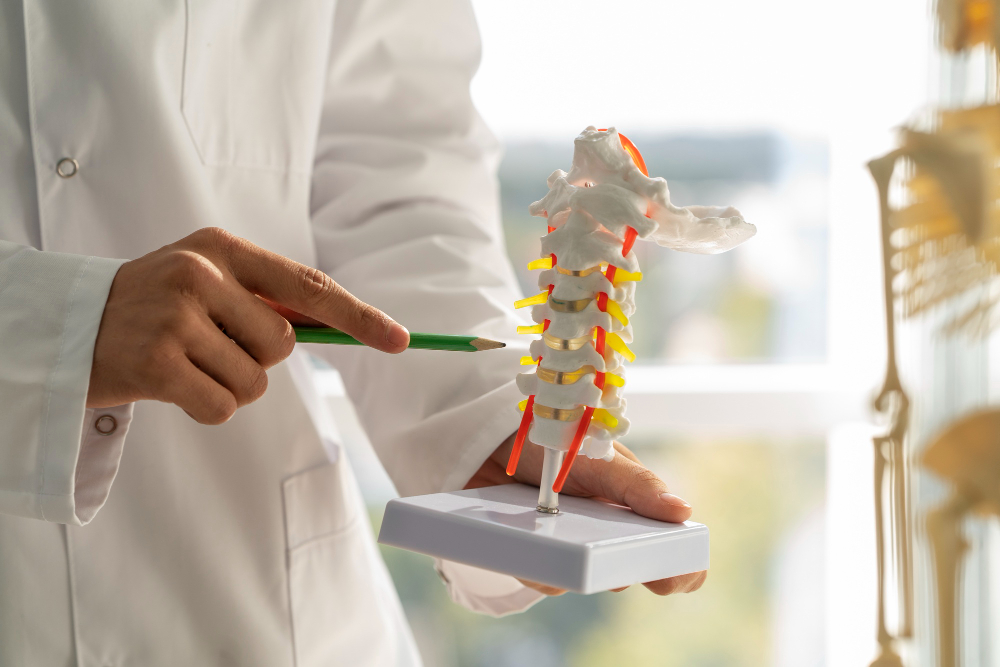
What Are Common Spinal Conditions Causing Back Pain? Back pain affects approximately 80% of adults at some point in their lives. While most cases resolve with conservative treatment, some spinal conditions cause persistent symptoms requiring surgical intervention. Understanding your diagnosis is the first step toward appropriate treatment. Herniated disc (slipped disc): Spinal stenosis: Degenerative disc disease: Spondylolisthesis: Spinal fractures: Scoliosis and spinal deformities: Spinal tumors and infections: Not all back pain requires spine surgery in India or elsewhere. Conservative treatments including physical therapy, medications, injections, and lifestyle modifications successfully manage most spinal conditions. Surgery is considered when conservative measures fail and quality of life is significantly impaired. When Is Spine Surgery Recommended? Spine surgery in India is considered when conservative treatments have been exhausted and specific clinical criteria are met. Understanding when surgery is appropriate helps patients make informed decisions. General indications for spine surgery: Conservative treatment trial typically includes: When surgery is considered by condition: Herniated disc: Spinal stenosis: Spondylolisthesis: Spinal fractures: Degenerative disc disease: When surgery may NOT be appropriate: The decision for surgery should be collaborative between patient, spine surgeon, and often a multidisciplinary team. Second opinions are encouraged for elective spine procedures. For patients considering surgical evaluation,the best spine surgery hospital in India offers comprehensive diagnostic workups including advanced imaging, physical examination by specialized spine surgeons, and multidisciplinary consultation to determine optimal treatment approaches. What Types of Spine Surgery Are Available? Spine surgery in India encompasses various procedures ranging from simple decompression to complex reconstructive operations. The specific procedure depends on diagnosis, severity, and patient-specific factors. Discectomy (Microdiscectomy): Laminectomy/Laminotomy: Spinal fusion: Artificial disc replacement: Vertebroplasty/Kyphoplasty: Spinal deformity correction: Minimally invasive spine surgery (MISS): Surgical approach is individualized. Factors considered include: For comprehensive evaluation and treatment planning, patients can access specialized spine surgery programs through top hospitals in India with dedicated spine centers offering full spectrum of surgical options from simple decompressions to complex reconstructions. What Is Minimally Invasive Spine Surgery? Minimally invasive spine surgery in India has transformed spinal care, offering many patients faster recovery and less post-operative pain compared to traditional open procedures. How it differs from traditional surgery: Traditional open spine surgery: Minimally invasive spine surgery: Techniques used: Procedures that can be minimally invasive: Advantages: Limitations: Patient selection: Good candidates for minimally invasive spine surgery in India include those with: Not suitable for: The decision between traditional and minimally invasive approaches should be made based on individual pathology, not marketing. The best approach is one that adequately addresses the problem, regardless of incision size. Sri Lankan patients seeking minimally invasive spine surgery in India can access surgeons specifically trained in these advanced techniques through coordination with specialized spine centers that maintain dedicated MISS programs. How Is Spine Surgery Performed? Understanding the surgical process helps reduce anxiety and prepares patients for what to expect. While specific steps vary by procedure type, general principles apply to most spine surgery in India operations. Pre-operative preparation: Anesthesia: Patient positioning: Surgical approach examples: Lumbar microdiscectomy: Lumbar fusion: Anterior cervical discectomy and fusion (ACDF): Intra-operative monitoring: Surgery duration: Immediate post-operative: Modern spine surgery in India utilizes advanced technologies including surgical navigation (GPS-like guidance for screw placement), intraoperative CT imaging, and robot-assisted screw placement at some centers, improving accuracy and safety. Patients can access detailed pre-operative education and procedural explanations through consultations with spine specialists coordinated via medical travel assistance services, ensuring they fully understand their planned surgery before traveling to India. What Should I Expect During Recovery? Recovery from spine surgery in India varies significantly based on procedure type, surgical approach (open versus minimally invasive), and individual factors. Understanding typical timelines helps set realistic expectations. Hospital stay: Immediate post-operative period (Days 1-3): First week at home: Weeks 2-6: Weeks 6-12: Months 3-6: 6-12 months: Recovery varies by procedure: Disc bulge recovery timeline: Spinal stenosis decompression: Fusion surgery: Warning signs requiring immediate attention: Long-term lifestyle modifications: Recovery is not linear; setbacks are normal. Some days will feel better than others, especially in first 6 weeks. Patience and adherence to restrictions optimize long-term outcomes. For international patients returning to Sri Lanka after spine surgery in India, telemedicine follow-up consultations can be arranged. Additionally, medical visa India requirements allow sufficient stay duration for initial recovery and follow-up appointments before returning home. What Are the Success Rates and Risks? Understanding realistic outcomes and potential complications helps patients make informed decisions about spine surgery in India. Success rates (symptom improvement): Microdiscectomy for herniated disc: Laminectomy for spinal stenosis: Spinal fusion: Artificial disc replacement: Factors affecting outcomes: Positive predictors: Negative predictors: Surgical risks and complications: Common (1-5% of cases): Less common (0.1-1%): Rare but serious (<0.1%): Risk minimization: Long-term considerations: Revision surgery: Realistic expectations are critical. Spine surgery in India aims to relieve leg pain and neurological symptoms; back pain improvement is less predictable. Surgery addresses anatomical problems but cannot reverse years of degeneration or eliminate all pain. Discussing individual risk profiles and expected outcomes with a spine surgeon helps determine if surgery’s potential benefits outweigh its risks for each patient’s specific situation. Why Do Sri Lankan Patients Choose India for Spine Surgery? Spine surgery in India has become a preferred choice for Sri Lankan patients seeking high-quality spinal care, combining clinical expertise, advanced technology, and accessibility. Key advantages: Types of spinal conditions treated: Surgical sophistication: Indian spine centers routinely perform: Coordinated care for international patients: Sri Lankan patients benefit from comprehensive support: The Amrita Hospitals Sri Lanka Information Centre provides dedicated patient coordination, ensuring seamless access to the best spine surgery hospital in India for individual needs. Many Sri Lankan patients have multiple health concerns requiring comprehensive medical evaluation. For instance, patients with concurrent gynecologic issues can explore options through our article on Cervical Cancer: Prevention, Symptoms, and Treatment Options in India. Similarly, patients who have undergone cancer treatment and now face musculoskeletal issues can learn about reconstructive options in our guide on Plastic Surgery and Reconstructive Procedures in India: Options and Costs. FAQ 1. How do I know if I need spine surgery?
Plastic Surgery and Reconstructive Procedures in India: Options and Costs
What Is Plastic Surgery and When Is It Needed? Plastic surgery in India encompasses both reconstructive and cosmetic procedures designed to restore function, improve appearance, or correct congenital or acquired deformities. The specialty combines surgical skill with aesthetic judgment to achieve natural-looking results. Plastic surgery serves two primary purposes: Reconstructive surgery: Cosmetic (aesthetic) surgery: Both types require specialized training, surgical precision, and understanding of tissue healing. Many procedures combine functional restoration with aesthetic improvement, particularly in reconstructive cases. Common reasons patients seek plastic surgery: Plastic surgery in India has evolved significantly, with surgeons trained in microsurgery, tissue transplantation, and advanced reconstructive techniques. Hospitals offer comprehensive plastic surgery departments equipped with modern operating theaters and recovery facilities. What Types of Reconstructive Procedures Are Available? Reconstructive plastic surgery aims to restore both function and appearance after disease, injury, or congenital conditions. These procedures are typically medically indicated rather than purely aesthetic. Breast reconstruction: Burn reconstruction: Cleft lip and palate repair: Hand surgery: Facial trauma reconstruction: Pressure ulcer and wound reconstruction: For Sri Lankan patients seeking reconstructive procedures after cancer treatment or injury, coordinated care through private hospitals in India ensures access to experienced plastic surgeons with subspecialty training. What Cosmetic Surgery Options Are Offered in India? Cosmetic surgery addresses aesthetic concerns and is typically elective. Plastic surgery in India offers a wide range of aesthetic procedures performed to international standards. Facial cosmetic surgery: Breast cosmetic surgery: Body contouring: Non-surgical aesthetic procedures: Important considerations: Cosmetic procedures require realistic expectations. During consultation, surgeons assess: Plastic surgery cost in India for cosmetic procedures is significantly lower than Western countries while maintaining high safety and quality standards. However, cost should never be the only deciding factor. Surgeon credentials, hospital accreditation, and patient safety protocols are paramount. How Much Does Plastic Surgery Cost in India? Plastic surgery cost in India varies based on procedure complexity, surgeon experience, hospital facilities, and geographic location. Indian costs typically range from 40-70% less than comparable procedures in Western countries or Middle East. Approximate cost ranges (in USD): Reconstructive procedures: Cosmetic procedures: Cost factors: What’s typically included: Additional costs to consider: Cost transparency is important. Reputable hospitals provide detailed cost estimates before surgery. Patients should inquire about what’s included and potential additional expenses. For Sri Lankan patients, plastic surgery cost in India remains affordable while offering access to experienced surgeons and modern facilities. Medical tourism facilitators can provide cost comparisons and help identify the top hospital in India for specific procedures based on quality, not just price. What Is the Process for Gynecomastia Surgery? Gynecomastia is enlargement of male breast tissue, affecting approximately 30-50% of men at some point. While often benign, it can cause significant psychological distress and self-consciousness. Gynecomastia surgery cost in India is affordable compared to Western countries, making treatment accessible for men seeking correction. What causes gynecomastia? Evaluation before surgery: Surgical techniques: Liposuction: Excision: Combined approach: The procedure: Recovery timeline: Results: Gynecomastia surgery cost in India ranges from $1,800-$3,500 depending on technique complexity and hospital chosen. This is significantly less expensive than costs in Western countries ($6,000-$10,000) while maintaining comparable surgical quality. Men considering gynecomastia correction can access experienced plastic surgeons through Amrita Hospital India and other accredited centers that specialize in male breast reduction procedures. How Do I Prepare for Plastic Surgery? Proper preparation improves surgical outcomes and reduces complication risks. Whether undergoing reconstructive or cosmetic plastic surgery in India, following pre-operative guidelines is essential. Medical evaluation: Medication adjustments: Lifestyle modifications: Pre-operative instructions: Mental preparation: What to bring to hospital: Thorough preparation ensures surgery proceeds smoothly. For international patients traveling to India, medical travel assistance services help coordinate pre-operative testing, surgical scheduling, and accommodation arrangements, ensuring all preparation steps are completed properly. What Should I Expect During Recovery? Recovery varies by procedure type, extent of surgery, and individual healing capacity. Understanding general recovery principles helps patients prepare and recognize normal versus concerning post-operative changes. Immediate post-operative period (first 24-48 hours): First week: Weeks 2-4: Weeks 4-6: Months 3-6: Warning signs requiring immediate medical attention: Long-term care: Recovery from plastic surgery in India follows the same principles as anywhere else. Surgeons provide detailed written instructions and remain available for questions during recovery. For international patients, telemedicine follow-up consultations can be arranged after returning home. Why Do Sri Lankan Patients Choose India for Plastic Surgery? India has become a leading destination for Sri Lankan patients seeking both reconstructive and cosmetic plastic surgery in India, offering combination of quality, accessibility, and value. Key advantages: Types of procedures commonly sought: Reconstructive: Cosmetic: Coordinated care for international patients: Sri Lankan patients benefit from comprehensive support including: The Amrita Hospitals Sri Lanka Information Centre provides dedicated support for patients considering plastic and reconstructive surgery, connecting them with experienced surgeons at the best hospital in India for their specific needs. Patients managing multiple health concerns can access coordinated care. For instance, women undergoing breast reconstruction after cancer treatment can learn about the diagnostic and treatment journey in our article on Breast Cancer Treatment in India: Early Detection, Surgery, and Recovery for Sri Lankan Women. Similarly, patients dealing with spinal issues who may require orthopedic intervention before or after plastic surgery procedures can explore options in our guide on Spine Surgery in India: Treatment Options for Back Pain and Spinal Conditions. FAQ 1. Is plastic surgery safe in India? Yes, when performed at accredited hospitals by board-certified plastic surgeons. Many Indian hospitals meet international quality standards (JCI, NABH). Research surgeon credentials, hospital accreditation, and patient reviews before proceeding. 2. How do I choose a qualified plastic surgeon? Look for board certification in plastic surgery, subspecialty training if applicable, years of experience, before-and-after photo gallery, patient testimonials, and hospital privileges at accredited facilities. Initial consultation helps assess rapport and communication. 3. Will insurance cover my plastic surgery? Reconstructive procedures medically necessary after cancer, trauma, or birth defects are often covered by insurance. Purely cosmetic procedures are typically not covered. Check with your insurance provider for specific policy details. 4. Can I combine multiple procedures? Yes,
Breast Cancer Treatment in India: Early Detection, Surgery, and Recovery for Sri Lankan Women

What Is Breast Cancer and Why Is Early Detection Critical? Breast cancer develops when cells in breast tissue grow abnormally and form tumors. It is the most common cancer affecting women worldwide, including in South Asia. While the diagnosis can be overwhelming, early detection significantly improves treatment outcomes and survival rates. Cancer early detection through routine screening allows doctors to identify tumors when they are small, localized, and more responsive to treatment. Women diagnosed at stage I have a five-year survival rate exceeding 99%, compared to approximately 27% for stage IV disease. Who is at higher risk? Understanding risk factors helps women make informed decisions about screening frequency and preventive measures. Regular self-examination, clinical breast exams, and mammography form the foundation of cancer early detection strategies. What Are the Common Breast Cancer Symptoms? Early-stage breast cancer often presents no symptoms, which is why screening mammography is essential. However, as the disease progresses, specific signs may become noticeable. Common breast cancer symptoms include: Advanced symptoms may include: Any persistent breast cancer symptoms should prompt immediate medical evaluation. While many breast changes are benign, only diagnostic testing can confirm whether cancer is present. Sri Lankan women experiencing concerning symptoms can access specialized breast cancer evaluation through the best cancer hospital in India, which offers comprehensive diagnostic and treatment services. How Is Breast Cancer Detected and Diagnosed? Cancer early detection relies on a combination of screening tools and diagnostic procedures. The goal is to identify breast cancer before symptoms appear or when tumors are still small and treatable. Screening methods: Diagnostic tests: Additional staging tests (if cancer is confirmed): Accurate diagnosis requires expertise in breast imaging and pathology. For patients seeking reliable diagnostic services, medical travel assistance programs help coordinate appointments at accredited cancer centers equipped with advanced imaging technology. What Are the Stages of Breast Cancer? Breast cancer staging describes the extent of disease and guides treatment decisions. Staging is based on tumor size, lymph node involvement, and distant spread. Stage 0 (Carcinoma in situ): Stage I: Stage II: Stage III (Locally advanced): Stage IV (Metastatic): Early-stage breast cancer (stages I-II) typically has excellent prognosis with appropriate treatment. Even locally advanced disease (stage III) can often be managed effectively with multimodal therapy combining surgery, chemotherapy, and radiation. Patients seeking expert staging workups and treatment planning can connect with oncology specialists through private hospitals in India that offer comprehensive breast cancer programs. What Surgical Options Are Available for Breast Cancer? Surgery is the primary treatment for most breast cancer cases. The choice of surgical procedure depends on tumor size, location, stage, patient preference, and desire for breast preservation. Breast-conserving surgery (Lumpectomy): Mastectomy: Lymph node surgery: Breast reconstruction: Surgical decisions are made collaboratively between patient, surgical oncologist, and multidisciplinary team. Factors include cancer characteristics, patient health, lifestyle considerations, and personal values regarding breast preservation. For patients exploring surgical options and reconstructive possibilities, coordination services help facilitate consultations with breast surgical oncologists at the best cancer hospital in India,, where experienced teams perform hundreds of breast cancer surgeries annually. What Other Treatments Support Breast Cancer Care? Breast cancer treatment typically involves multiple therapies used in combination or sequence to maximize effectiveness and reduce recurrence risk. Radiation therapy: Chemotherapy: Hormone (endocrine) therapy: Targeted therapy: Immunotherapy: Treatment plans are personalized based on cancer biology, stage, patient age, menopausal status, and overall health. Multidisciplinary tumor boards review each case to recommend optimal therapy sequences. What Is the Recovery Process After Breast Cancer Surgery? Recovery experiences vary based on surgical extent, individual healing capacity, and whether reconstruction was performed. Understanding typical timelines helps patients prepare physically and emotionally. Immediate post-operative period (hospital stay): First 2-4 weeks: Weeks 4-6: Long-term recovery considerations: If receiving additional treatment: Recovery is not just physical. Many patients benefit from survivorship programs that address nutrition, exercise, psychological well-being, and long-term follow-up care. Sri Lankan patients can access comprehensive post-treatment support and rehabilitation services through coordinated care programs. For guidance on recovery planning and supportive care options, medical travel assistance services provide continuity throughout the treatment journey. Why Do Sri Lankan Women Choose India for Breast Cancer Treatment? India has become a preferred destination for Sri Lankan women seeking breast cancer care due to combination of clinical excellence, accessibility, and affordability. Key advantages: Comprehensive support services: Sri Lankan women benefit from coordinated care that includes appointment scheduling, medical record translation, second opinion facilitation, accommodation arrangements, and post-treatment follow-up coordination. The Amrita Hospitals Sri Lanka Information Centre serves as the official patient coordination point, ensuring women receive accurate medical information and seamless access to breast cancer specialists at multispecialty hospitals equipped with dedicated oncology departments. For women managing other health conditions requiring surgical intervention, comprehensive care is available. Our article on Spine Surgery in India: Treatment Options for Back Pain and Spinal Conditions provides insights into orthopedic care pathways for patients dealing with multiple health concerns. Additionally, patients interested in reconstructive options after mastectomy can learn more through our guide on Plastic Surgery and Reconstructive Procedures in India: Options and Costs, which covers breast reconstruction techniques and what to expect during recovery. FAQ 1. Can breast cancer be prevented? While not all breast cancer cases are preventable, risk can be reduced through maintaining healthy weight, regular physical activity, limiting alcohol consumption, breastfeeding, and avoiding unnecessary hormone therapy. For high-risk women, preventive medications or prophylactic surgery may be considered. 2. How often should I get a mammogram? Women should begin annual mammography screening at age 40. Those with family history or genetic mutations may need to start earlier and include breast MRI. Discuss your personal risk factors with your doctor to determine appropriate screening schedule. 3. What is triple-negative breast cancer? Triple-negative breast cancer tests negative for estrogen receptors, progesterone receptors, and HER2. It represents about 15% of cases, tends to be more aggressive, and requires chemotherapy since hormone and HER2-targeted therapies are ineffective. 4. Will I lose my hair during breast cancer treatment? Hair loss depends on treatment type. Chemotherapy commonly causes temporary hair loss, though
Kidney Transplant in India: Costs, Success Rates, and What Sri Lankan Patients Need to Know
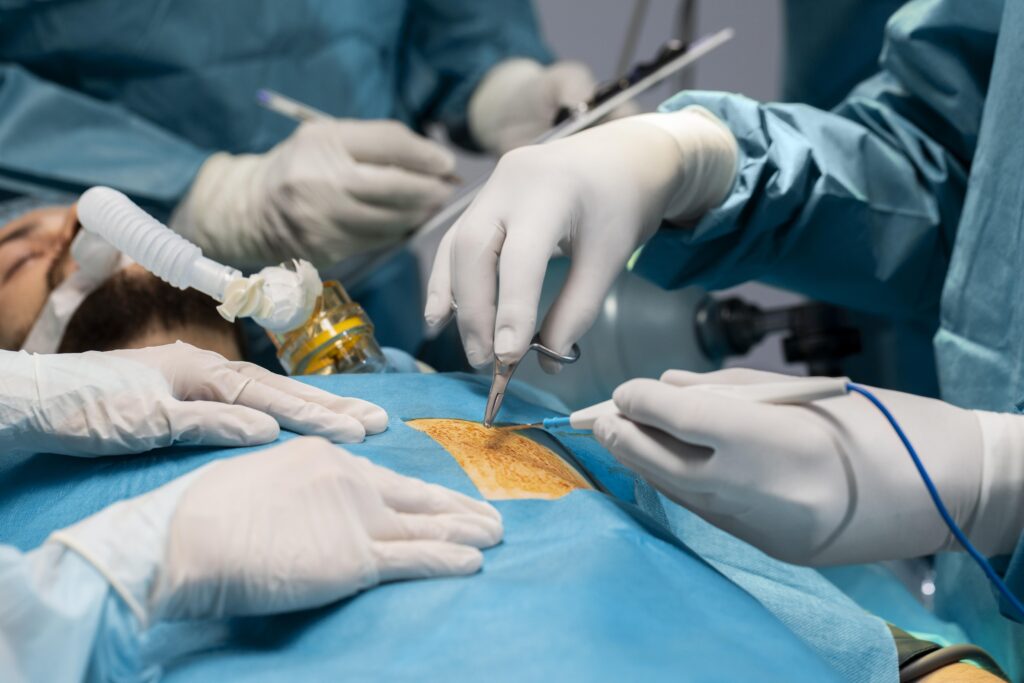
For Sri Lankan patients facing kidney failure, India has emerged as a trusted and accessible destination for kidney transplants. The combination of world-class medical expertise, cutting-edge technology, and significantly lower costs compared to Western countries makes India an attractive option for life-saving treatment. But beyond the financial considerations, there are important questions to address: How much does a kidney transplant actually cost? Which hospitals are truly reliable? What about the legal requirements and safety concerns? And perhaps most importantly, how can you ensure you’re getting ethical, transparent care in a system that has faced scrutiny over organ trafficking issues? This comprehensive guide addresses all these concerns, walking you through the kidney transplant cost in India, safety measures, hospital selection, and everything Sri Lankan patients need to know before making this critical healthcare decision. Understanding Kidney Transplant Cost in India One of the primary reasons Sri Lankan patients choose India for kidney transplants is the substantial cost difference compared to other countries. The kidney transplant cost in India typically ranges between USD 13,000 to 18,000 (approximately LKR 4 million to 5.5 million), depending on the hospital, city, and complexity of the procedure. To put this in perspective, the same surgery costs over USD 300,000 in the United States, nearly 20 times more expensive. Even compared to other medical tourism destinations, India offers competitive pricing without compromising on quality or safety standards. What’s Included in the Kidney Transplant Cost in India? When hospitals quote their kidney transplant cost in India, the package typically covers: Pre-Surgery Assessment Comprehensive medical evaluation of both donor and recipient, including blood tests, tissue typing, cross-matching, kidney function tests, chest X-rays, ECGs, and viral screening. Surgical Procedures The actual transplant surgery for the recipient and the nephrectomy (kidney removal) for the donor, performed by experienced transplant surgeons using minimally invasive techniques when possible. Anesthesia and Operating Room Complete anesthesia services and use of advanced operating theaters equipped with the latest transplant technology. Hospital Stay Typically 7 to 15 days for the recipient in a private room, including ICU care immediately post-surgery. Donors usually stay 5 to 7 days. Initial Medications Immunosuppressant drugs and other medications needed during the hospital stay. Basic Follow-up Post-surgery monitoring, lab tests, and consultations before discharge. Additional Costs to Consider While the base kidney transplant cost in India is significantly lower than Western countries, there are ongoing expenses you should budget for: Immunosuppressant Medications These are essential for preventing organ rejection and must be taken for life. Monthly costs range from USD 150 to 350 (approximately LKR 45,000 to 105,000), though prices decrease as generic options become available. Extended Stay Accommodation Both patient and donor need to remain near the hospital for 3 to 6 weeks post-surgery for monitoring and follow-up tests. Budget for hotel or serviced apartment costs during this period. Travel Expenses Flights, local transportation, and meals for both the patient and donor, plus any accompanying family members. Emergency Complications While rare, complications may require additional treatment or extended hospital stays not covered in the initial package. Follow-up Care in Sri Lanka Once you return home, you’ll need regular monitoring by a nephrologist in Sri Lanka. Factor in these ongoing consultation and testing costs. Even with these additional expenses, the total cost remains a fraction of what you’d pay in Western countries, making India one of the most cost-effective options for high-quality kidney transplants. Addressing Safety Concerns: The Kidney Racket in India It’s impossible to discuss kidney transplants in India without addressing the elephant in the room: the kidney racket in India that has occasionally made international headlines. These cases involved illegal organ trafficking networks that exploited vulnerable individuals, particularly the poor, by coercing them into selling their kidneys. The Reality Today While these incidents were serious and rightfully received widespread attention, it’s crucial to understand that India has implemented stringent legal reforms to prevent such abuses. The Transplantation of Human Organs Act (THOA) and its amendments have created one of the world’s most regulated organ transplant systems. Here’s what’s changed: Mandatory Authorization Committees Every transplant must be approved by a government-appointed committee that verifies the donor-recipient relationship and ensures no financial transaction is involved. Strict Documentation Requirements Extensive paperwork, including proof of relationship, notarized affidavits, and embassy verification, makes it nearly impossible to circumvent the system. Legal Consequences Hospitals and doctors found violating organ transplant laws face severe penalties, including license revocation, heavy fines, and imprisonment. Institutional Oversight Accredited hospitals with international patients undergo regular audits and must maintain transparency in all transplant procedures. Foreign Patient Restrictions International patients can only receive kidneys from close blood relatives (parents, siblings, children) or spouses, with documented proof of relationship. How to Protect Yourself While the kidney racket in India has been largely curbed through legal reforms, it’s still essential to take precautions: Choose Accredited Hospitals Only Work only with internationally recognized hospitals that have proper licensing and transparent procedures. Avoid any facility that promises shortcuts or unusually quick processing times. Go Through Official Channels Never bypass the Authorization Committee process or use agents who claim they can “arrange” donors. This is illegal and puts you at serious legal risk. Verify All Documentation Ensure all paperwork goes through proper government channels, including your embassy’s verification process. Use Reputable Coordinators Work with established medical travel assistance services that have track records with legitimate hospitals and understand India’s legal requirements. The reality is that when you follow proper procedures and work with reputable institutions, kidney transplants in India are as safe and ethical as anywhere in the world. The legal framework is now robust, and most hospitals are deeply committed to ethical practices. Success Rates: What to Expect After Surgery One of the most important factors when considering the kidney transplant cost in India is the outcome you can expect. Fortunately, Indian hospitals specializing in transplants report success rates that match or exceed international standards. Short-Term Success One-year graft survival rate: 95% to 98% One-year patient survival rate: 97% to 99% Long-Term Outcomes Five-year graft
Medical Test for Visa: Complete Guide for Sri Lankan Patients Traveling to India
Planning to travel to India for medical treatment? You’ll need to complete a medical test for visa approval before you can begin your healthcare journey. Whether you’re seeking specialized surgery, cancer treatment, or organ transplant services, understanding the visa medical process can save you valuable time and reduce stress during an already challenging period. For Sri Lankan patients heading to India for treatment, the medical visa process is designed specifically for healthcare travelers. The requirements are straightforward, but getting them right the first time means you can focus on what truly matters: your health and recovery. This guide walks you through everything you need to know about medical tests for Indian visa applications, including where to get tested in Sri Lanka, what documents you’ll need, and how to navigate the process smoothly. Why Indian Medical Visas Require Health Screening India requires a medical test for visa applications to ensure travelers are fit for the journey and don’t pose public health risks. For medical visa applicants, these tests also help Indian hospitals prepare for your arrival and treatment plan. The good news is that the screening process in Sri Lanka is well-established, with several approved facilities that understand the specific needs of patients traveling for medical care. Where to Get Medical Test for Visa in Sri Lanka If you’re applying for a medical visa to India from Sri Lanka, you have a few options for completing your health screening: IOM Migration Health Assessment Centre, Colombo Located in Colombo 7, the International Organization for Migration (IOM) handles medical examinations for various visa categories. While they primarily focus on migration visas, they can also conduct tests required for medical travel documentation. Asiri Surgical Hospital This hospital in Colombo is recognized for conducting visa medical examinations and provides comprehensive health screening services. They’re familiar with Indian medical visa requirements and can guide you through the necessary tests. Durdans Hospital Another trusted option in Colombo that offers visa medical services. They maintain high standards and provide quick turnaround times for test results. For patients seeking treatment at private hospitals in India, these local facilities can coordinate with Indian healthcare institutions to ensure all necessary documentation is properly prepared. Medical Test Requirements for Indian Medical Visa The medical test requirements for an Indian medical visa are less stringent than migration visas, but they still cover essential health markers. Here’s what you can typically expect: General Physical Examination A doctor will check your vital signs, including blood pressure, heart rate, and overall physical condition. This assessment helps determine if you’re fit to travel and undergo medical procedures in India. Chest X-ray Required to screen for tuberculosis and other respiratory conditions. This is standard for most visa categories and helps Indian medical facilities understand your lung health before treatment. Blood Tests Basic blood work typically includes HIV screening and sometimes checks for Hepatitis B and C. These tests protect both you and healthcare workers during your treatment in India. Medical History Review You’ll need to provide details about your current condition, previous surgeries, ongoing medications, and any chronic illnesses. Being thorough and honest here is crucial for your safety during treatment abroad. Unlike the more comprehensive medical examination for Australian visa in Sri Lanka, the Indian medical visa process focuses specifically on tests relevant to your planned treatment and travel fitness. Documents Required for Medical Test for Visa Appointment Preparation is key to a smooth medical test for visa appointment. Make sure you have these items ready: Your original passport with at least six months validity Two recent passport-sized photographs Visa appointment confirmation or reference letter from the Indian High Commission Medical reports related to your condition (diagnosis, doctor’s recommendations, test results) Invitation letter from the Indian hospital where you’ll receive treatment Previous medical and vaccination records if available Payment for the medical examination fee Having everything organized in advance prevents delays and ensures your results reach the Indian authorities on time. Step-by-Step Medical Test for Visa Process Here’s how your medical test for Australian visa in Sri Lanka appointment typically unfolds, though the process is similar for Indian medical visas: Step 1: Schedule Your Appointment Contact your chosen medical facility and book an appointment. Mention that you need a medical test for visa purposes for travel to India. Book early because popular clinics can have waiting periods of one to two weeks. Step 2: Arrive Prepared Get to the clinic on time with all your documents. Most facilities don’t allow companions inside the examination area, so be prepared to go through the process independently. Step 3: Registration and Payment You’ll register at the reception, submit your documents, and pay the examination fee. Costs vary depending on the facility and the specific tests required, but typically range from Rs. 15,000 to Rs. 25,000. Step 4: Medical Examination The physical exam usually takes about 30 to 45 minutes. The doctor will review your medical history, check your vitals, and ask about your planned treatment in India. Step 5: Diagnostic Tests After the physical exam, you’ll move to the radiology department for your chest X-ray and then to the laboratory for blood tests. The entire process usually takes two to three hours from start to finish. Step 6: Results and Documentation Most facilities provide results within three to five working days. Some tests like X-rays may be available sooner, while blood work might take a bit longer. Your results will be compiled into a sealed medical report. Important: Never open the sealed envelope if it’s marked for direct submission to the Indian High Commission. Opening it can invalidate your results. Special Considerations for Medical Travelers to India If you’re traveling to India specifically for treatment, there are additional things to keep in mind: Treatment Documentation The Indian High Commission will want to see proof of your medical appointment. This usually comes in the form of an invitation letter from Amrita Hospital India or whichever facility will be treating you. This letter should specify your diagnosis, planned treatment, and estimated
Understanding Robotic Prostate Surgery: Advanced Treatment Options in India
When it comes to treating prostate cancer, technology has completely changed what’s possible. Today, many men are turning to robotic prostate surgery, a modern, minimally invasive way to remove the prostate with more accuracy and less pain. India has become one of the top destinations for this procedure. With experienced surgeons, advanced medical technology, and affordable costs, robotic surgery for prostate cancer in India is giving patients from around the world, including Sri Lanka, a chance to recover faster and live healthier. Let’s break down how it works, what to expect, and why so many Sri Lankan patients are choosing India for this life-changing treatment. What Is Robotic Prostate Surgery? Robotic prostate surgery (also called robotic-assisted radical prostatectomy) is a technique used to remove the prostate gland when cancer is detected. But unlike traditional open surgery, this method uses small incisions and a robotic system controlled entirely by a skilled surgeon. The most widely used system in India is the da Vinci Surgical System. It allows the surgeon to control robotic arms that hold special instruments and a tiny 3D camera. These tools give the surgeon a magnified, high-definition view of the operation area and the ability to move instruments with incredible precision, even more precisely than the human hand. For Sri Lankan patients, this means: And the best part? It’s far more affordable than in Western countries. With Amrita info centre Sri Lanka helping you connect to the right doctors and hospitals, the process becomes much simpler. How Robotic Prostate Surgery Works Here’s a simple step-by-step look at how robotic prostate surgery is performed: The whole process minimizes trauma to surrounding tissue, which is why patients recover faster and experience fewer complications. Benefits of Robotic Prostatectomy For men diagnosed with localized prostate cancer, robotic surgery for prostate cancer offers several clear advantages over conventional open surgery. For Sri Lankan patients who often travel abroad for treatment, these advantages make India an excellent choice, blending advanced care with shorter recovery times and affordable pricing. Recovery from Robotic Prostate Surgery The robotic prostate surgery recovery time is generally much faster than traditional methods. Here’s what the usual recovery timeline looks like: Most patients find that each week brings noticeable improvement. Regular follow-ups and staying active (within the doctor’s advice) help maintain progress. If you’re planning your treatment in India, Amrita Info Centre can help you coordinate recovery arrangements from hospital stays to post-surgery consultations, so you can focus entirely on healing. Cost of Robotic Prostate Surgery in India One of the main reasons patients choose India is cost. The price for robotic prostate surgery ranges between ₹3,70,000 and ₹5,50,000, or roughly $4,500–$6,000. In comparison, the same surgery in the U.S. or Europe can cost anywhere from $10,000 to $25,000.That’s more than double, even though the equipment, technology, and techniques used in India are identical. The total cost typically includes: Factors like the hospital’s location, the surgeon’s experience, and room preferences can slightly change the total price.To make the process smoother, medical travel assistance from Amrita Info Centre can help with hospital coordination, budgeting, and even arranging your medical visa india for treatment. Top Hospitals and Surgeons for Robotic Prostate Surgery in India India has several leading medical centers equipped with advanced robotic systems and highly trained urologists who specialize in this procedure.You’ll find private hospitals in India that have: Cities like Delhi, Chennai, Bangalore, and Hyderabad are among the most popular for this treatment because they have multiple hospitals offering robotic surgery with excellent success rates. If you’re unsure which hospital best fits your case and budget, Amrita Info Centre can help shortlist options and connect you with specialists who match your medical needs. Life After Robotic Prostate Surgery One of the most encouraging things about robotic-assisted prostatectomy is how well patients recover. Within a few weeks, most men are back to work, driving, and living normally. You’ll need regular checkups to monitor recovery and ensure the cancer hasn’t returned. Doctors usually recommend: Amrita Info Centre helps patients even after returning to Sri Lanka by coordinating follow-ups with your Indian surgeon and connecting you to local specialists for ongoing care. With consistent guidance, most patients regain full strength and confidence within a few months. Why Choose India for Robotic Prostate Surgery For Sri Lankan patients, India offers the perfect combination of technology, quality, and affordability.Here’s what makes it stand out: And with Amrita Info Centre handling the travel, visa, and hospital coordination, you can focus on what really matters, your recovery and peace of mind. Conclusion Robotic prostate surgery is changing how prostate cancer is treated, offering accuracy, faster recovery, and better long-term results. For Sri Lankan patients, India provides an ideal mix of advanced care, affordability, and compassionate service. With amrita info centre Sri Lanka by your side, you don’t have to figure it all out alone. From hospital bookings and medical visa india applications to full medical travel assistance, we make sure your treatment journey is smooth and worry-free. If you’re exploring options for prostate cancer treatment, reach out to us today, your path to recovery could be closer and simpler than you think.
Liver Treatment and Transplant in India: Complete Guide for Sri Lankan Patients
When facing serious liver conditions, getting the right treatment quickly can make all the difference. For many Sri Lankan patients, India has become a trusted choice for advanced liver transplant and related treatments. The country offers top-quality care, experienced doctors, and world-class hospitals, all at a fraction of the cost compared to Western countries. Whether you’re exploring options for surgery or want to understand the full process, this guide walks you through everything you need to know, from liver transplant cost in India and donor requirements to visa procedures and recovery. Why India Is a Top Destination for Liver Treatment India’s healthcare system has made major progress in organ transplant technology. Many private hospitals in India now perform hundreds of successful liver transplants each year, with success rates often reaching 90–95%. Here’s why so many Sri Lankan patients are now choosing India: And with Amrita Info Centre by your side, you won’t have to navigate it all alone. We help Sri Lankan patients every step of the way, from finding the right doctor to organizing travel and aftercare. Understanding Liver Transplant in India A liver transplant is a surgery that replaces a damaged or failing liver with a healthy one from a donor. It’s often recommended for patients with chronic liver diseases, liver failure, or liver cancer that can’t be treated through other methods. There are two main types of liver transplants: In India, liver transplant surgeon in India teams are known for their expertise and precision. Most leading hospitals have dedicated transplant units that guide you through medical tests, donor matching, and post-surgery recovery. Liver Transplant Cost in India One of the biggest reasons patients travel to India is affordability. The liver transplant cost in India typically ranges from USD 28,000 to 45,000 (approximately LKR 9 million to 15 million). This usually includes: To compare, similar procedures can cost over USD 100,000 in the U.S., which means you’re paying less than half for the same medical quality. However, the cost can vary slightly based on: When you consider success rates, facilities, and doctor expertise, the liver transplant cost in India offers some of the best value in the world. Finding a Donor: Rules and Process India follows strict legal guidelines for organ donation under the Transplantation of Human Organs Act (THOA) to ensure ethical and safe procedures. 1. Living Donor Transplant This is the most common option for international patients. The donor must be a near relative, parents, siblings, children, spouse, or grandchildren, and should be between 18 and 55 years old. They must also share a compatible blood type and be in good health. Before surgery, both the patient and donor undergo a series of medical evaluations, followed by an official review by the Authorization Committee. This committee verifies that the donation is voluntary and not commercially motivated. 2. Deceased Donor Transplant For international patients, this option is rare because Indian citizens are prioritized on organ waiting lists. However, it’s possible only when no suitable Indian recipient is available. If you’re unsure how to start this process, medical travel assistance from Amrita Info Centre can help with the documentation, hospital coordination, and legal formalities for both the patient and donor. How the Liver Transplant Process Works Once your doctor confirms that a transplant is necessary, here’s what typically happens step-by-step: Overall, expect to spend about 2–3 months in India from arrival to complete medical clearance. Indian Visa Requirements for Sri Lankan Patients If you’re planning treatment in India, getting the right visa is crucial. Sri Lankan citizens must apply for a Medical Visa, which allows an initial stay of up to 60 days (extendable up to 180 days). You’ll need: Medical Attendant Visa Two close family members (spouse, parent, or child) can accompany you on a Medical Attendant Visa, which expires at the same time as your medical visa. Proof of relationship is required. If this process sounds complicated, don’t worry, Amrita Info Centre can help you gather the right documents and coordinate directly with hospital international desks to make it stress-free. Top Hospitals for Liver Transplant in India India is home to several reputed hospitals with specialized liver units and advanced surgical teams. Most of these private hospitals in India have: Rather than choosing based on name alone, patients should focus on hospitals with JCI or NABH accreditation, experienced transplant surgeons, and transparent cost structures. Through Amrita Info Centre, Sri Lankan patients can easily compare hospitals, review surgeon credentials, and find the best fit based on their budget and treatment type. Post-Transplant Care and Recovery Recovery is a gradual process, but with proper care, most patients return to normal life within a few months. After discharge: It’s important to follow your prescribed medication plan and attend every scheduled follow-up, these steps are key to long-term success. Amrita Info Centre can help organize post-surgery support, including virtual consultations with your Indian surgeon and coordination with local doctors in Sri Lanka, ensuring a smooth transition back home. Why Sri Lankans Prefer India for Liver Transplants There are a few clear reasons why India is becoming the go-to destination: With all these advantages, India offers Sri Lankan patients a perfect blend of affordability, quality, and comfort during a challenging time. Conclusion Getting a liver transplant is a life-changing decision, and with the right support, it doesn’t have to feel overwhelming.Choosing treatment in India gives you access to experienced surgeons, advanced technology, and an affordable liver transplant cost in India, all while ensuring safe and ethical medical practices. If you or a loved one are planning treatment, Amrita Info Centre can make your journey simpler, from hospital coordination and donor documentation to travel and visa support. Reach out today and take the next step toward a healthier tomorrow.