Breast Cancer Treatment in India: Early Detection, Surgery, and Recovery for Sri Lankan Women

What Is Breast Cancer and Why Is Early Detection Critical? Breast cancer develops when cells in breast tissue grow abnormally and form tumors. It is the most common cancer affecting women worldwide, including in South Asia. While the diagnosis can be overwhelming, early detection significantly improves treatment outcomes and survival rates. Cancer early detection through routine screening allows doctors to identify tumors when they are small, localized, and more responsive to treatment. Women diagnosed at stage I have a five-year survival rate exceeding 99%, compared to approximately 27% for stage IV disease. Who is at higher risk? Understanding risk factors helps women make informed decisions about screening frequency and preventive measures. Regular self-examination, clinical breast exams, and mammography form the foundation of cancer early detection strategies. What Are the Common Breast Cancer Symptoms? Early-stage breast cancer often presents no symptoms, which is why screening mammography is essential. However, as the disease progresses, specific signs may become noticeable. Common breast cancer symptoms include: Advanced symptoms may include: Any persistent breast cancer symptoms should prompt immediate medical evaluation. While many breast changes are benign, only diagnostic testing can confirm whether cancer is present. Sri Lankan women experiencing concerning symptoms can access specialized breast cancer evaluation through the best cancer hospital in India, which offers comprehensive diagnostic and treatment services. How Is Breast Cancer Detected and Diagnosed? Cancer early detection relies on a combination of screening tools and diagnostic procedures. The goal is to identify breast cancer before symptoms appear or when tumors are still small and treatable. Screening methods: Diagnostic tests: Additional staging tests (if cancer is confirmed): Accurate diagnosis requires expertise in breast imaging and pathology. For patients seeking reliable diagnostic services, medical travel assistance programs help coordinate appointments at accredited cancer centers equipped with advanced imaging technology. What Are the Stages of Breast Cancer? Breast cancer staging describes the extent of disease and guides treatment decisions. Staging is based on tumor size, lymph node involvement, and distant spread. Stage 0 (Carcinoma in situ): Stage I: Stage II: Stage III (Locally advanced): Stage IV (Metastatic): Early-stage breast cancer (stages I-II) typically has excellent prognosis with appropriate treatment. Even locally advanced disease (stage III) can often be managed effectively with multimodal therapy combining surgery, chemotherapy, and radiation. Patients seeking expert staging workups and treatment planning can connect with oncology specialists through private hospitals in India that offer comprehensive breast cancer programs. What Surgical Options Are Available for Breast Cancer? Surgery is the primary treatment for most breast cancer cases. The choice of surgical procedure depends on tumor size, location, stage, patient preference, and desire for breast preservation. Breast-conserving surgery (Lumpectomy): Mastectomy: Lymph node surgery: Breast reconstruction: Surgical decisions are made collaboratively between patient, surgical oncologist, and multidisciplinary team. Factors include cancer characteristics, patient health, lifestyle considerations, and personal values regarding breast preservation. For patients exploring surgical options and reconstructive possibilities, coordination services help facilitate consultations with breast surgical oncologists at the best cancer hospital in India,, where experienced teams perform hundreds of breast cancer surgeries annually. What Other Treatments Support Breast Cancer Care? Breast cancer treatment typically involves multiple therapies used in combination or sequence to maximize effectiveness and reduce recurrence risk. Radiation therapy: Chemotherapy: Hormone (endocrine) therapy: Targeted therapy: Immunotherapy: Treatment plans are personalized based on cancer biology, stage, patient age, menopausal status, and overall health. Multidisciplinary tumor boards review each case to recommend optimal therapy sequences. What Is the Recovery Process After Breast Cancer Surgery? Recovery experiences vary based on surgical extent, individual healing capacity, and whether reconstruction was performed. Understanding typical timelines helps patients prepare physically and emotionally. Immediate post-operative period (hospital stay): First 2-4 weeks: Weeks 4-6: Long-term recovery considerations: If receiving additional treatment: Recovery is not just physical. Many patients benefit from survivorship programs that address nutrition, exercise, psychological well-being, and long-term follow-up care. Sri Lankan patients can access comprehensive post-treatment support and rehabilitation services through coordinated care programs. For guidance on recovery planning and supportive care options, medical travel assistance services provide continuity throughout the treatment journey. Why Do Sri Lankan Women Choose India for Breast Cancer Treatment? India has become a preferred destination for Sri Lankan women seeking breast cancer care due to combination of clinical excellence, accessibility, and affordability. Key advantages: Comprehensive support services: Sri Lankan women benefit from coordinated care that includes appointment scheduling, medical record translation, second opinion facilitation, accommodation arrangements, and post-treatment follow-up coordination. The Amrita Hospitals Sri Lanka Information Centre serves as the official patient coordination point, ensuring women receive accurate medical information and seamless access to breast cancer specialists at multispecialty hospitals equipped with dedicated oncology departments. For women managing other health conditions requiring surgical intervention, comprehensive care is available. Our article on Spine Surgery in India: Treatment Options for Back Pain and Spinal Conditions provides insights into orthopedic care pathways for patients dealing with multiple health concerns. Additionally, patients interested in reconstructive options after mastectomy can learn more through our guide on Plastic Surgery and Reconstructive Procedures in India: Options and Costs, which covers breast reconstruction techniques and what to expect during recovery. FAQ 1. Can breast cancer be prevented? While not all breast cancer cases are preventable, risk can be reduced through maintaining healthy weight, regular physical activity, limiting alcohol consumption, breastfeeding, and avoiding unnecessary hormone therapy. For high-risk women, preventive medications or prophylactic surgery may be considered. 2. How often should I get a mammogram? Women should begin annual mammography screening at age 40. Those with family history or genetic mutations may need to start earlier and include breast MRI. Discuss your personal risk factors with your doctor to determine appropriate screening schedule. 3. What is triple-negative breast cancer? Triple-negative breast cancer tests negative for estrogen receptors, progesterone receptors, and HER2. It represents about 15% of cases, tends to be more aggressive, and requires chemotherapy since hormone and HER2-targeted therapies are ineffective. 4. Will I lose my hair during breast cancer treatment? Hair loss depends on treatment type. Chemotherapy commonly causes temporary hair loss, though
Medical Test for Visa: Complete Guide for Sri Lankan Patients Traveling to India
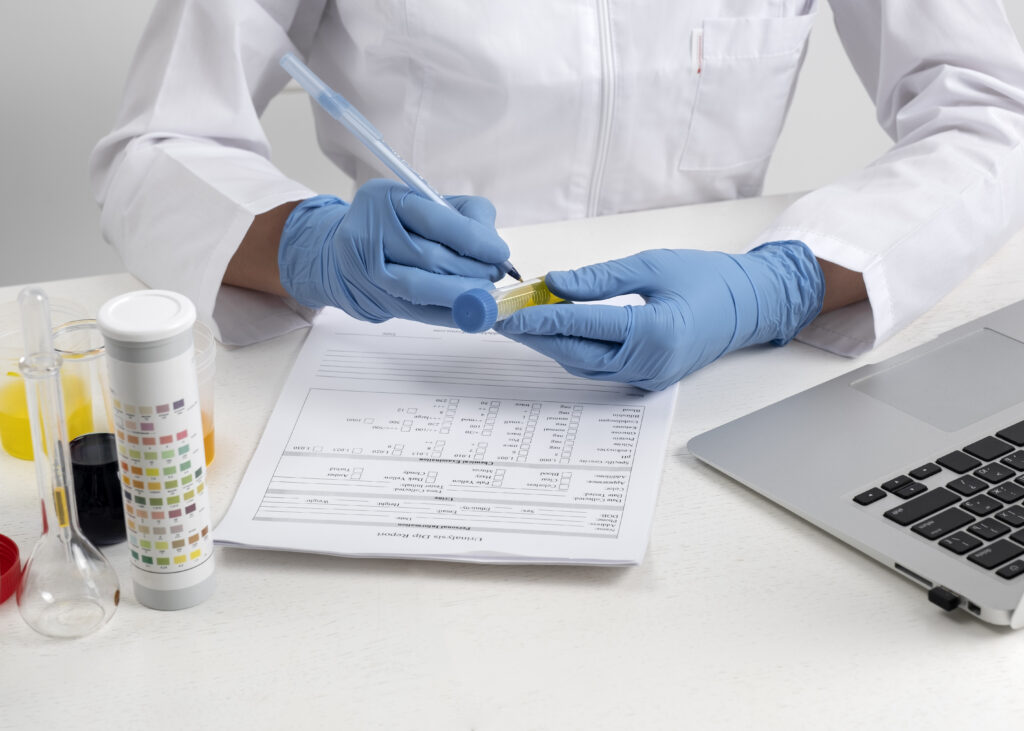
Planning to travel to India for medical treatment? You’ll need to complete a medical test for visa approval before you can begin your healthcare journey. Whether you’re seeking specialized surgery, cancer treatment, or organ transplant services, understanding the visa medical process can save you valuable time and reduce stress during an already challenging period. For Sri Lankan patients heading to India for treatment, the medical visa process is designed specifically for healthcare travelers. The requirements are straightforward, but getting them right the first time means you can focus on what truly matters: your health and recovery. This guide walks you through everything you need to know about medical tests for Indian visa applications, including where to get tested in Sri Lanka, what documents you’ll need, and how to navigate the process smoothly. Why Indian Medical Visas Require Health Screening India requires a medical test for visa applications to ensure travelers are fit for the journey and don’t pose public health risks. For medical visa applicants, these tests also help Indian hospitals prepare for your arrival and treatment plan. The good news is that the screening process in Sri Lanka is well-established, with several approved facilities that understand the specific needs of patients traveling for medical care. Where to Get Medical Test for Visa in Sri Lanka If you’re applying for a medical visa to India from Sri Lanka, you have a few options for completing your health screening: IOM Migration Health Assessment Centre, Colombo Located in Colombo 7, the International Organization for Migration (IOM) handles medical examinations for various visa categories. While they primarily focus on migration visas, they can also conduct tests required for medical travel documentation. Asiri Surgical Hospital This hospital in Colombo is recognized for conducting visa medical examinations and provides comprehensive health screening services. They’re familiar with Indian medical visa requirements and can guide you through the necessary tests. Durdans Hospital Another trusted option in Colombo that offers visa medical services. They maintain high standards and provide quick turnaround times for test results. For patients seeking treatment at private hospitals in India, these local facilities can coordinate with Indian healthcare institutions to ensure all necessary documentation is properly prepared. Medical Test Requirements for Indian Medical Visa The medical test requirements for an Indian medical visa are less stringent than migration visas, but they still cover essential health markers. Here’s what you can typically expect: General Physical Examination A doctor will check your vital signs, including blood pressure, heart rate, and overall physical condition. This assessment helps determine if you’re fit to travel and undergo medical procedures in India. Chest X-ray Required to screen for tuberculosis and other respiratory conditions. This is standard for most visa categories and helps Indian medical facilities understand your lung health before treatment. Blood Tests Basic blood work typically includes HIV screening and sometimes checks for Hepatitis B and C. These tests protect both you and healthcare workers during your treatment in India. Medical History Review You’ll need to provide details about your current condition, previous surgeries, ongoing medications, and any chronic illnesses. Being thorough and honest here is crucial for your safety during treatment abroad. Unlike the more comprehensive medical examination for Australian visa in Sri Lanka, the Indian medical visa process focuses specifically on tests relevant to your planned treatment and travel fitness. Documents Required for Medical Test for Visa Appointment Preparation is key to a smooth medical test for visa appointment. Make sure you have these items ready: Your original passport with at least six months validity Two recent passport-sized photographs Visa appointment confirmation or reference letter from the Indian High Commission Medical reports related to your condition (diagnosis, doctor’s recommendations, test results) Invitation letter from the Indian hospital where you’ll receive treatment Previous medical and vaccination records if available Payment for the medical examination fee Having everything organized in advance prevents delays and ensures your results reach the Indian authorities on time. Step-by-Step Medical Test for Visa Process Here’s how your medical test for Australian visa in Sri Lanka appointment typically unfolds, though the process is similar for Indian medical visas: Step 1: Schedule Your Appointment Contact your chosen medical facility and book an appointment. Mention that you need a medical test for visa purposes for travel to India. Book early because popular clinics can have waiting periods of one to two weeks. Step 2: Arrive Prepared Get to the clinic on time with all your documents. Most facilities don’t allow companions inside the examination area, so be prepared to go through the process independently. Step 3: Registration and Payment You’ll register at the reception, submit your documents, and pay the examination fee. Costs vary depending on the facility and the specific tests required, but typically range from Rs. 15,000 to Rs. 25,000. Step 4: Medical Examination The physical exam usually takes about 30 to 45 minutes. The doctor will review your medical history, check your vitals, and ask about your planned treatment in India. Step 5: Diagnostic Tests After the physical exam, you’ll move to the radiology department for your chest X-ray and then to the laboratory for blood tests. The entire process usually takes two to three hours from start to finish. Step 6: Results and Documentation Most facilities provide results within three to five working days. Some tests like X-rays may be available sooner, while blood work might take a bit longer. Your results will be compiled into a sealed medical report. Important: Never open the sealed envelope if it’s marked for direct submission to the Indian High Commission. Opening it can invalidate your results. Special Considerations for Medical Travelers to India If you’re traveling to India specifically for treatment, there are additional things to keep in mind: Treatment Documentation The Indian High Commission will want to see proof of your medical appointment. This usually comes in the form of an invitation letter from Amrita Hospital India or whichever facility will be treating you. This letter should specify your diagnosis, planned treatment, and estimated