
Kidney Transplant in India: Costs, Success Rates, and What Sri Lankan Patients Need to Know
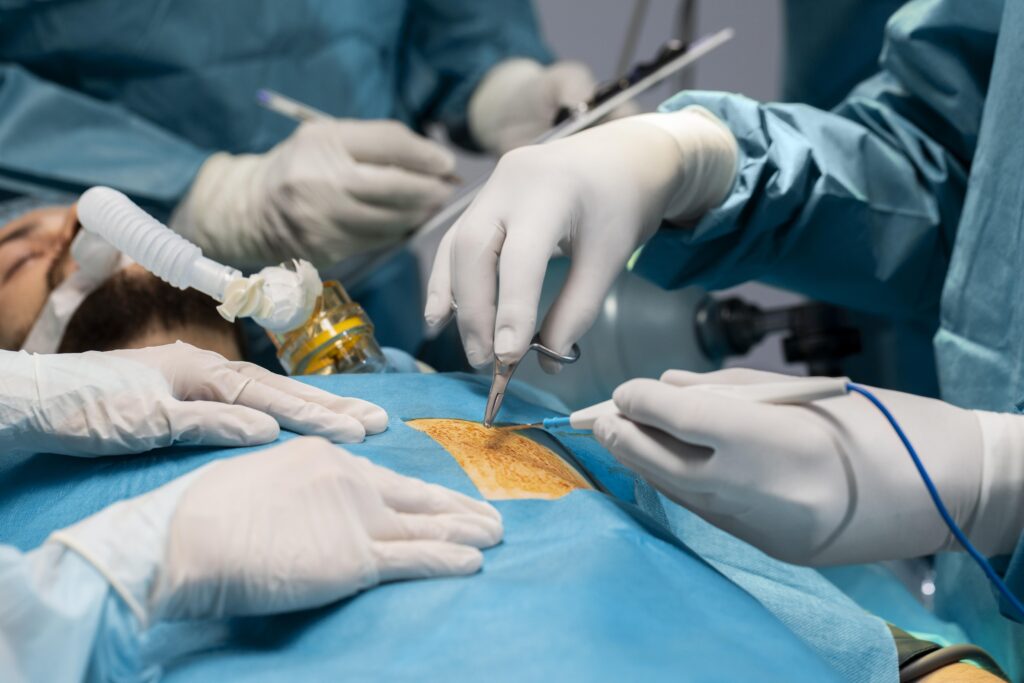
For Sri Lankan patients facing kidney failure, India has emerged as a trusted and accessible destination for kidney transplants. The combination of world-class medical expertise, cutting-edge technology, and significantly lower costs compared to Western countries makes India an attractive option for life-saving treatment. But beyond the financial considerations, there are important questions to address: How much does a kidney transplant actually cost? Which hospitals are truly reliable? What about the legal requirements and safety concerns? And perhaps most importantly, how can you ensure you’re getting ethical, transparent care in a system that has faced scrutiny over organ trafficking issues? This comprehensive guide addresses all these concerns, walking you through the kidney transplant cost in India, safety measures, hospital selection, and everything Sri Lankan patients need to know before making this critical healthcare decision. Understanding Kidney Transplant Cost in India One of the primary reasons Sri Lankan patients choose India for kidney transplants is the substantial cost difference compared to other countries. The kidney transplant cost in India typically ranges between USD 13,000 to 18,000 (approximately LKR 4 million to 5.5 million), depending on the hospital, city, and complexity of the procedure. To put this in perspective, the same surgery costs over USD 300,000 in the United States, nearly 20 times more expensive. Even compared to other medical tourism destinations, India offers competitive pricing without compromising on quality or safety standards. What’s Included in the Kidney Transplant Cost in India? When hospitals quote their kidney transplant cost in India, the package typically covers: Pre-Surgery Assessment Comprehensive medical evaluation of both donor and recipient, including blood tests, tissue typing, cross-matching, kidney function tests, chest X-rays, ECGs, and viral screening. Surgical Procedures The actual transplant surgery for the recipient and the nephrectomy (kidney removal) for the donor, performed by experienced transplant surgeons using minimally invasive techniques when possible. Anesthesia and Operating Room Complete anesthesia services and use of advanced operating theaters equipped with the latest transplant technology. Hospital Stay Typically 7 to 15 days for the recipient in a private room, including ICU care immediately post-surgery. Donors usually stay 5 to 7 days. Initial Medications Immunosuppressant drugs and other medications needed during the hospital stay. Basic Follow-up Post-surgery monitoring, lab tests, and consultations before discharge. Additional Costs to Consider While the base kidney transplant cost in India is significantly lower than Western countries, there are ongoing expenses you should budget for: Immunosuppressant Medications These are essential for preventing organ rejection and must be taken for life. Monthly costs range from USD 150 to 350 (approximately LKR 45,000 to 105,000), though prices decrease as generic options become available. Extended Stay Accommodation Both patient and donor need to remain near the hospital for 3 to 6 weeks post-surgery for monitoring and follow-up tests. Budget for hotel or serviced apartment costs during this period. Travel Expenses Flights, local transportation, and meals for both the patient and donor, plus any accompanying family members. Emergency Complications While rare, complications may require additional treatment or extended hospital stays not covered in the initial package. Follow-up Care in Sri Lanka Once you return home, you’ll need regular monitoring by a nephrologist in Sri Lanka. Factor in these ongoing consultation and testing costs. Even with these additional expenses, the total cost remains a fraction of what you’d pay in Western countries, making India one of the most cost-effective options for high-quality kidney transplants. Addressing Safety Concerns: The Kidney Racket in India It’s impossible to discuss kidney transplants in India without addressing the elephant in the room: the kidney racket in India that has occasionally made international headlines. These cases involved illegal organ trafficking networks that exploited vulnerable individuals, particularly the poor, by coercing them into selling their kidneys. The Reality Today While these incidents were serious and rightfully received widespread attention, it’s crucial to understand that India has implemented stringent legal reforms to prevent such abuses. The Transplantation of Human Organs Act (THOA) and its amendments have created one of the world’s most regulated organ transplant systems. Here’s what’s changed: Mandatory Authorization Committees Every transplant must be approved by a government-appointed committee that verifies the donor-recipient relationship and ensures no financial transaction is involved. Strict Documentation Requirements Extensive paperwork, including proof of relationship, notarized affidavits, and embassy verification, makes it nearly impossible to circumvent the system. Legal Consequences Hospitals and doctors found violating organ transplant laws face severe penalties, including license revocation, heavy fines, and imprisonment. Institutional Oversight Accredited hospitals with international patients undergo regular audits and must maintain transparency in all transplant procedures. Foreign Patient Restrictions International patients can only receive kidneys from close blood relatives (parents, siblings, children) or spouses, with documented proof of relationship. How to Protect Yourself While the kidney racket in India has been largely curbed through legal reforms, it’s still essential to take precautions: Choose Accredited Hospitals Only Work only with internationally recognized hospitals that have proper licensing and transparent procedures. Avoid any facility that promises shortcuts or unusually quick processing times. Go Through Official Channels Never bypass the Authorization Committee process or use agents who claim they can “arrange” donors. This is illegal and puts you at serious legal risk. Verify All Documentation Ensure all paperwork goes through proper government channels, including your embassy’s verification process. Use Reputable Coordinators Work with established medical travel assistance services that have track records with legitimate hospitals and understand India’s legal requirements. The reality is that when you follow proper procedures and work with reputable institutions, kidney transplants in India are as safe and ethical as anywhere in the world. The legal framework is now robust, and most hospitals are deeply committed to ethical practices. Success Rates: What to Expect After Surgery One of the most important factors when considering the kidney transplant cost in India is the outcome you can expect. Fortunately, Indian hospitals specializing in transplants report success rates that match or exceed international standards. Short-Term Success One-year graft survival rate: 95% to 98% One-year patient survival rate: 97% to 99% Long-Term Outcomes Five-year graft
Liver Treatment and Transplant in India: Complete Guide for Sri Lankan Patients

When facing serious liver conditions, getting the right treatment quickly can make all the difference. For many Sri Lankan patients, India has become a trusted choice for advanced liver transplant and related treatments. The country offers top-quality care, experienced doctors, and world-class hospitals, all at a fraction of the cost compared to Western countries. Whether you’re exploring options for surgery or want to understand the full process, this guide walks you through everything you need to know, from liver transplant cost in India and donor requirements to visa procedures and recovery. Why India Is a Top Destination for Liver Treatment India’s healthcare system has made major progress in organ transplant technology. Many private hospitals in India now perform hundreds of successful liver transplants each year, with success rates often reaching 90–95%. Here’s why so many Sri Lankan patients are now choosing India: And with Amrita Info Centre by your side, you won’t have to navigate it all alone. We help Sri Lankan patients every step of the way, from finding the right doctor to organizing travel and aftercare. Understanding Liver Transplant in India A liver transplant is a surgery that replaces a damaged or failing liver with a healthy one from a donor. It’s often recommended for patients with chronic liver diseases, liver failure, or liver cancer that can’t be treated through other methods. There are two main types of liver transplants: In India, liver transplant surgeon in India teams are known for their expertise and precision. Most leading hospitals have dedicated transplant units that guide you through medical tests, donor matching, and post-surgery recovery. Liver Transplant Cost in India One of the biggest reasons patients travel to India is affordability. The liver transplant cost in India typically ranges from USD 28,000 to 45,000 (approximately LKR 9 million to 15 million). This usually includes: To compare, similar procedures can cost over USD 100,000 in the U.S., which means you’re paying less than half for the same medical quality. However, the cost can vary slightly based on: When you consider success rates, facilities, and doctor expertise, the liver transplant cost in India offers some of the best value in the world. Finding a Donor: Rules and Process India follows strict legal guidelines for organ donation under the Transplantation of Human Organs Act (THOA) to ensure ethical and safe procedures. 1. Living Donor Transplant This is the most common option for international patients. The donor must be a near relative, parents, siblings, children, spouse, or grandchildren, and should be between 18 and 55 years old. They must also share a compatible blood type and be in good health. Before surgery, both the patient and donor undergo a series of medical evaluations, followed by an official review by the Authorization Committee. This committee verifies that the donation is voluntary and not commercially motivated. 2. Deceased Donor Transplant For international patients, this option is rare because Indian citizens are prioritized on organ waiting lists. However, it’s possible only when no suitable Indian recipient is available. If you’re unsure how to start this process, medical travel assistance from Amrita Info Centre can help with the documentation, hospital coordination, and legal formalities for both the patient and donor. How the Liver Transplant Process Works Once your doctor confirms that a transplant is necessary, here’s what typically happens step-by-step: Overall, expect to spend about 2–3 months in India from arrival to complete medical clearance. Indian Visa Requirements for Sri Lankan Patients If you’re planning treatment in India, getting the right visa is crucial. Sri Lankan citizens must apply for a Medical Visa, which allows an initial stay of up to 60 days (extendable up to 180 days). You’ll need: Medical Attendant Visa Two close family members (spouse, parent, or child) can accompany you on a Medical Attendant Visa, which expires at the same time as your medical visa. Proof of relationship is required. If this process sounds complicated, don’t worry, Amrita Info Centre can help you gather the right documents and coordinate directly with hospital international desks to make it stress-free. Top Hospitals for Liver Transplant in India India is home to several reputed hospitals with specialized liver units and advanced surgical teams. Most of these private hospitals in India have: Rather than choosing based on name alone, patients should focus on hospitals with JCI or NABH accreditation, experienced transplant surgeons, and transparent cost structures. Through Amrita Info Centre, Sri Lankan patients can easily compare hospitals, review surgeon credentials, and find the best fit based on their budget and treatment type. Post-Transplant Care and Recovery Recovery is a gradual process, but with proper care, most patients return to normal life within a few months. After discharge: It’s important to follow your prescribed medication plan and attend every scheduled follow-up, these steps are key to long-term success. Amrita Info Centre can help organize post-surgery support, including virtual consultations with your Indian surgeon and coordination with local doctors in Sri Lanka, ensuring a smooth transition back home. Why Sri Lankans Prefer India for Liver Transplants There are a few clear reasons why India is becoming the go-to destination: With all these advantages, India offers Sri Lankan patients a perfect blend of affordability, quality, and comfort during a challenging time. Conclusion Getting a liver transplant is a life-changing decision, and with the right support, it doesn’t have to feel overwhelming.Choosing treatment in India gives you access to experienced surgeons, advanced technology, and an affordable liver transplant cost in India, all while ensuring safe and ethical medical practices. If you or a loved one are planning treatment, Amrita Info Centre can make your journey simpler, from hospital coordination and donor documentation to travel and visa support. Reach out today and take the next step toward a healthier tomorrow.